

As the 2026 MLB season moves deeper into its second month, the betting landscape continues to shift in ways that challenge traditional approaches. The introduction of the Automated Ball-Strike Challenge System and an influx of young pitching talent have pushed sportsbooks to place more weight on underlying metrics rather than win-loss records alone.
These changes, combined with roster and usage trends, have made daily lines more dynamic and less predictable. Game totals, strikeout rates, and bullpen decisions now reflect factors that didn’t exist just a few seasons ago, creating both new complexity and new opportunities for bettors who adapt quickly.
The ABS Effect and a Shifting Strike Zone
The implementation of the Automated Ball-Strike Challenge System has had an immediate and measurable impact on gameplay, as reflected in FanDuel Baseball game lines. By reducing the influence of human umpires, the system has effectively reshaped the strike zone across Major League Baseball. Pitchers who previously relied on borderline calls are now forced into more predictable patterns. This adjustment has led to a noticeable increase in hitter-friendly counts and longer at-bats.
As a result, strikeout rates have dipped while walk rates have ticked up compared to previous seasons. Sportsbooks have responded by adjusting Over/Under totals higher, especially in matchups involving pitchers with control concerns. Totals that once sat at 7.5 are now frequently posted at 8.5 or higher. This shift reflects the growing expectation of increased offensive production. For bettors, recognizing how ABS influences individual pitchers is now a key component of successful wagering.
High-Velocity Youth Versus Disciplined Lineups
One of the defining features of the 2026 season is the influx of high-velocity young pitchers. Talents like Paul Skenes, Jose Soriano, and Mason Montgomery are consistently pushing the limits of speed and power on the mound. Their ability to dominate early in games has made them popular picks for under bettors. In some cases, elite performances have significantly lowered scoring expectations in their starts.
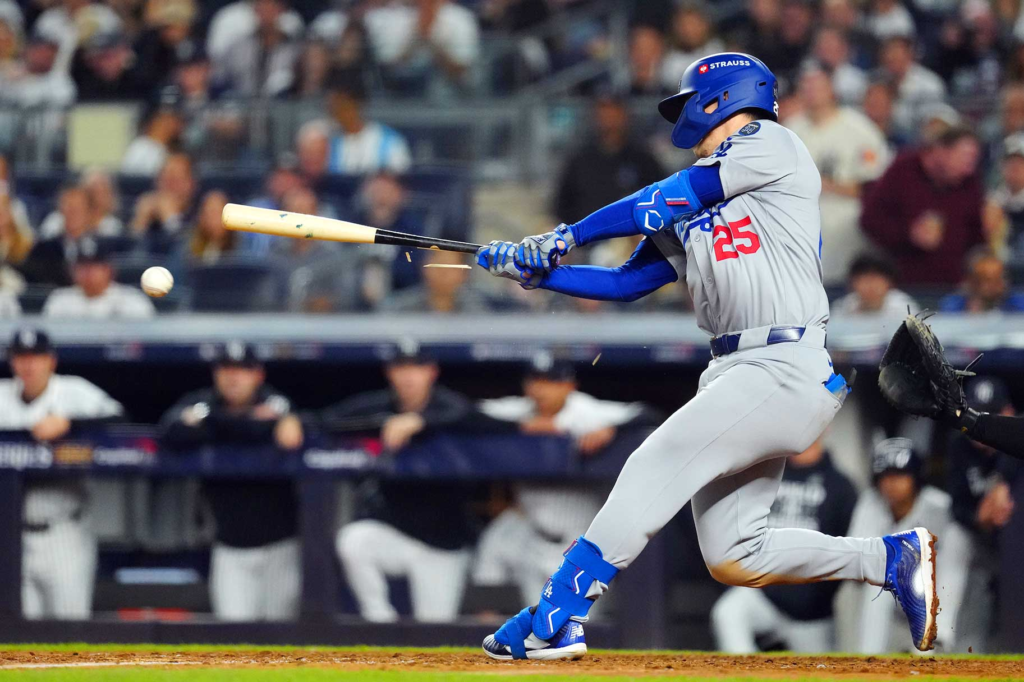
However, disciplined lineups have found ways to counter this new wave of pitching. Teams like the New York Yankees and Los Angeles Dodgers excel at working deep counts and drawing walks. With hitters such as Aaron Judge and Cody Bellinger leading the charge, these teams force pitchers out of games earlier than expected. This dynamic often shifts value toward underdogs, especially when bullpens are heavily involved. Bettors who account for lineup discipline alongside pitching talent gain a clearer edge.
The Growing Importance of Bullpen Strength Ratings
In today’s MLB, bullpen performance has become just as important as starting pitching. With starters rarely pitching deep into games, relief arms frequently determine the outcome. Teams with strong middle and late-inning options are outperforming expectations, even when their overall records are average. This trend has created new opportunities for bettors willing to look beyond traditional metrics.
Oddsmakers sometimes place too much emphasis on big-name starters while overlooking bullpen depth. Savvy bettors are capitalizing on this by backing teams with reliable relief corps. The sixth and seventh innings, once seen as transitional stretches, have become key turning points that can swing a game. With bullpen usage continuing to rise, its impact on betting lines is only becoming more significant. Recognizing these patterns is important for long-term success.
Divisional Volatility and Regional Trends
Certain divisions have emerged as hotspots for betting value in 2026, and resources like FanDuel Research have become increasingly useful for bettors tracking MLB news, matchup trends, and performance insights throughout the season. The Detroit Tigers have established a strong home-field advantage, making them a consistent option on the moneyline. Meanwhile, the Pittsburgh Pirates have gained attention as a rising contender, especially in games started by Paul Skenes. These teams highlight how momentum and situational performance can influence betting outcomes.
In contrast, the Toronto Blue Jays and Boston Red Sox have been part of highly unpredictable divisional matchups. Underdogs in these games have delivered strong returns, challenging conventional expectations. The Kansas City Royals, led by Bobby Witt Jr. and Jac Caglianone, have also emerged as a high-scoring team. Their games frequently exceed projected totals, making them a key focus for over bettors. These regional trends demonstrate the importance of context when evaluating matchups.
Procedural Chaos and Late-Inning Fluctuations
New regulations introduced in 2026 have added another layer of unpredictability to MLB games. Rules surrounding PitchCom failures and mound visit limits have created situations where automatic balls can be issued. These moments can dramatically shift momentum, especially in high-pressure late innings. As a result, live betting has become more volatile than ever before.
Teams must also navigate restrictions on pick-off attempts, known as the disengagement limit. Clubs like the Cincinnati Reds are using speed and aggressive baserunning to exploit these rules. This approach allows them to generate offense without relying solely on power hitting. For bettors, tracking late-inning strategies and team discipline is crucial. Understanding how procedural factors influence outcomes can provide a significant advantage in the evolving MLB betting landscape.