
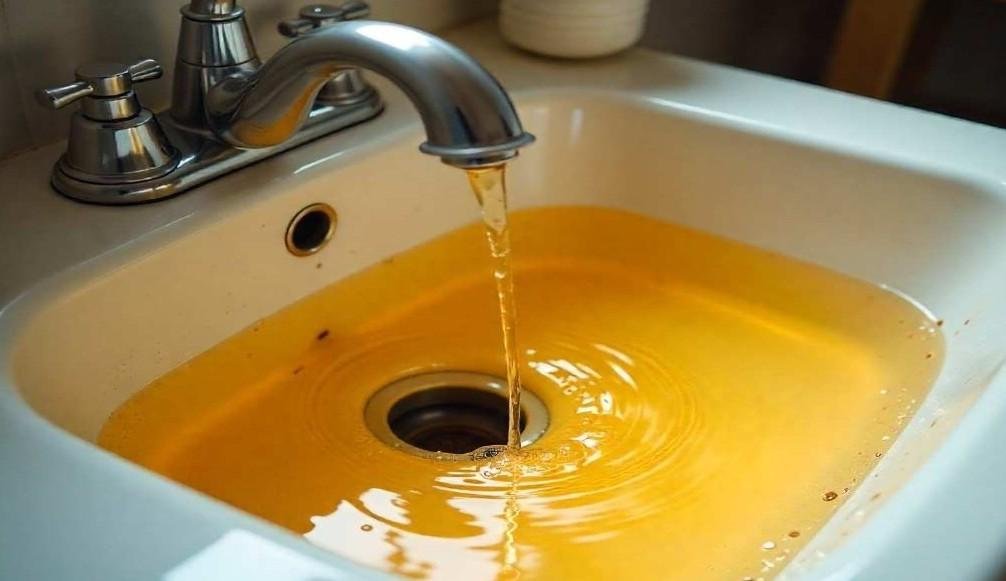
Water flowing through a home is expected to appear clear, but changes in color often signal underlying issues within the plumbing system. Discoloration can emerge suddenly or gradually, depending on the condition of the pipes, the water source, and any internal buildup. Homeowners sometimes overlook these changes, assuming they are temporary or harmless, yet the color of water can reveal meaningful patterns about what is happening behind walls and beneath floors. From rust tones to cloudy appearances, each variation provides clues about aging infrastructure, mineral content, or contamination pathways. Paying attention to these signals can help prevent minor concerns from developing into larger disruptions.
Observing water color also supports early recognition of system wear and flow inconsistencies. With consistent monitoring, households can better understand how their plumbing behaves over time and respond more effectively to unusual changes.
Water Color Indicators in Household Plumbing
- Rust-Tinted Water and Pipe Corrosion
Rust-colored water often appears when metal pipes begin to corrode internally. This condition develops gradually as oxygen reacts with iron components, leading to rust flakes entering the water supply. When this happens, taps may release water that looks reddish or brownish, especially after periods of inactivity. The discoloration may start intermittently but can become more persistent as deterioration advances. In many homes, this sign first appears on hot water lines because heating accelerates mineral buildup. Homeowners should pay attention when rust tones appear in multiple fixtures, as this suggests a broader issue in the plumbing system rather than a single faucet problem. Over time, untreated corrosion can reduce water pressure and affect pipe integrity, making early observation of color changes an important step in maintaining system stability.
- Yellow Water and Aging Infrastructure
Yellow-tinted water can indicate the presence of minerals, sediment, or gradual pipe wear within older plumbing systems. In some cases, this discoloration results from iron particles breaking loose inside galvanized steel pipes. Homeowners noticing a faint yellow hue may find it more visible after water has sat in the pipes overnight or during periods of low use. In addition, disturbances in municipal supply lines can temporarily introduce similar coloration into residential systems.
Tracking how often and under what conditions the yellow tint appears can help homeowners diagnose plumbing problems more accurately, as patterns often indicate whether the issue originates within the home or in the external supply. If the color persists across multiple outlets, it may indicate an internal buildup gradually affecting water clarity throughout the property. Recognizing this early can help prevent more extensive contamination of household water lines.
- Brown Water After Plumbing Work
Brown water frequently appears after plumbing repairs, pipe replacements, or water main disturbances in the surrounding area. This discoloration is typically caused by sediment and rust particles being dislodged from pipe walls when water flow is interrupted or redirected. Although it can be alarming, this type of color change is often temporary and clears as the system flushes itself. However, if brown water persists for an extended period, it may indicate a deeper buildup in the plumbing system.
Homes with older infrastructure are more likely to experience recurring sediment movement due to years of mineral accumulation. Monitoring how long the discoloration lasts and whether it affects both hot and cold taps can provide insight into whether the issue is localized or more widespread. Persistent brown tones may signal that internal cleaning or pipe assessment is needed to restore consistent water clarity.
- Green or Blue Water Indicating Copper Leaks
Green or bluish water often points to copper corrosion within plumbing lines. This occurs when water chemistry interacts with copper pipes, causing particles to dissolve and mix into the water supply. Over time, this reaction can stain water and even leave marks on sinks or bathtubs. Homes with newer plumbing systems using copper piping may still encounter this issue if water acidity levels are unbalanced. The discoloration might appear faint at first, but can become more noticeable with continued use.
In some cases, this change is accompanied by a metallic taste or visible residue around fixtures. When these signs appear together, they suggest that the pipe material is reacting with water conditions in a way that may require adjustment or further inspection to maintain the long-term stability of the plumbing system.
- Cloudy Water and Sediment Movement
Cloudy or milky water often results from trapped air bubbles or fine sediment circulating through pipes. When the water is first released from a tap, it may appear hazy but gradually clear within a few moments. If the cloudiness does not settle, it can indicate ongoing disturbance in the plumbing system or a persistent presence of sediment. Homes that rely on well water may experience this more frequently due to natural mineral content. Temperature changes can also contribute, especially when hot water systems release dissolved gases.
Observing whether cloudiness appears in all fixtures or only specific ones helps narrow down the source. Continuous cloudiness suggests that internal buildup or pressure inconsistencies are affecting water flow. Over time, this condition may reduce overall water quality and signal the need for system evaluation to prevent further accumulation within pipes.
- Intermittent Water Discoloration Patterns
Some homes experience water discoloration only at certain times of day or under specific usage conditions. This irregular pattern often reflects changes in water pressure, demand, or pipe movement within the system. For example, discoloration may appear after peak usage hours when water flow shifts rapidly through the network. In other cases, it may occur after long periods of inactivity when sediment settles and is suddenly disturbed. These intermittent changes can be particularly useful in identifying weak points or aging sections within plumbing lines.
Tracking when the discoloration appears helps reveal whether the cause is internal buildup, changes in external supply, or pressure fluctuations. Over time, these patterns form a clearer picture of system behavior, allowing homeowners to understand how different parts of the plumbing respond to everyday usage and environmental conditions.
Water discoloration is a visible indicator of what is happening inside a home’s plumbing system, often revealing issues that are not immediately apparent from pressure or flow alone. Changes in color, whether sudden or gradual, can point to corrosion, sediment movement, or chemical reactions within pipes. Observing these shifts helps build an understanding of how the system ages and responds to daily use. When homeowners pay attention to these signals, they gain valuable insight into potential maintenance needs before they escalate.
Consistent monitoring of water appearance across different fixtures also helps distinguish between localized and system-wide concerns. Over time, these observations contribute to more informed decisions about upkeep and repair, supporting a more stable and reliable plumbing environment within the home.