
Gutters play a crucial role in protecting homes from water damage by directing rainwater away from the foundation, siding, and landscaping. However, improper installation can undermine their effectiveness, leading to costly repairs and structural issues. Many homeowners overlook the importance of correct gutter placement, pitch, and secure attachment, assuming that any installation will suffice. Unfortunately, even minor mistakes can result in leaks, overflow, and water intrusion. Understanding the most common gutter installation errors is essential for maintaining a safe and dry home environment. Addressing these issues early can prevent significant water damage and preserve your property’s value.
Key mistakes to avoid
Incorrect Gutter Slope
One of the most frequent mistakes during gutter installation is failing to set the correct slope. Gutters must be installed with a slight downward angle toward the downspouts to ensure water flows efficiently and does not pool. When the slope is too shallow, water can stagnate, leading to debris buildup, rust, and eventual overflow during heavy rainfall. Conversely, an excessively steep slope can cause water to rush too quickly, potentially overshooting the downspout and eroding the ground below. Both scenarios can result in water seeping into the foundation or basement, causing structural damage over time. Proper measurement and careful alignment during installation are critical to achieving the right balance. Homeowners should periodically check their gutters for standing water after storms, as this can be a sign of improper slope. Addressing this issue promptly can help prevent long-term water damage and maintain the integrity of your home’s exterior.
Poor Downspout Placement
Another common error is the improper placement of downspouts. Downspouts are responsible for channeling water from the gutters to the ground and away from the home’s foundation. If they are positioned too close to the house or in areas with poor drainage, water can accumulate near the foundation, increasing the risk of basement flooding and soil erosion. In some cases, installers may use too few downspouts for the length of guttering, causing water to back up and overflow during heavy rain. For those considering a gutter install in auburn, it is vital to ensure that downspouts are strategically placed at appropriate intervals and direct water at least several feet away from the home. Extensions or splash blocks can be used to further guide water away from vulnerable areas. Regular inspection and maintenance of downspouts are also necessary to prevent clogs and ensure optimal performance throughout the year.
Using the Wrong Gutter Size
Selecting the correct gutter size is essential for effective water management, yet it is a detail that is often overlooked. Gutters that are too small for the roof area will not be able to handle the volume of water during heavy rainfall, leading to frequent overflows and potential water damage to the siding and foundation. On the other hand, oversized gutters may not fit properly or could detract from the home’s appearance. The size of the gutter should be determined by the roof’s surface area and the average rainfall in the region. In areas with frequent storms or large roof surfaces, larger gutters and downspouts may be necessary to accommodate the increased water flow. Consulting with a reputable installer who understands local weather patterns and building codes can help ensure the right size is chosen. Proper sizing not only prevents water damage but also extends the lifespan of the gutter system by reducing stress and wear.
Failing to Secure Gutters Properly
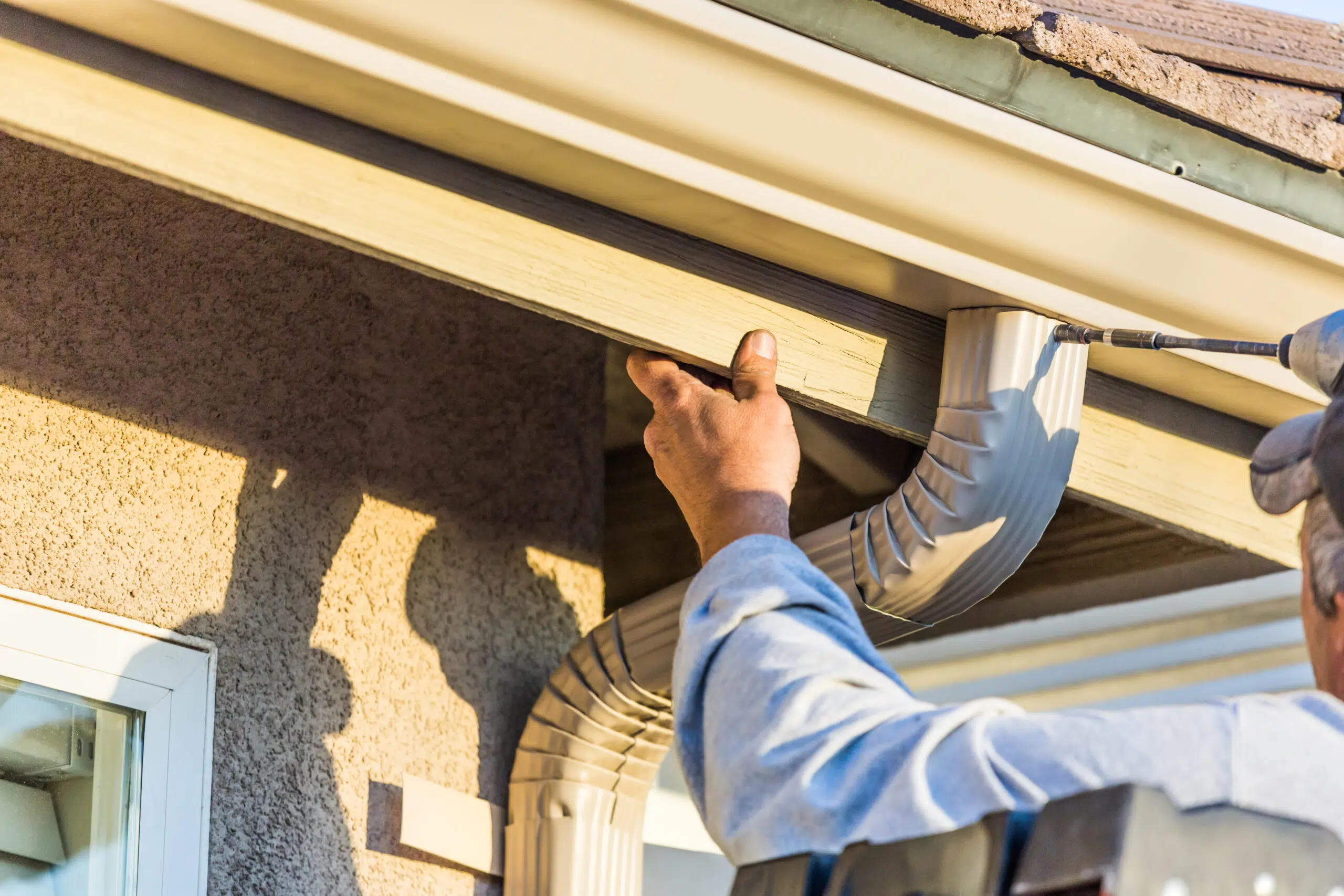
Gutters must be securely fastened to the fascia board to withstand the weight of water, debris, and occasional snow or ice. Inadequate fastening is a mistake that can lead to sagging, detachment, and eventual failure of the gutter system. Over time, loose gutters may pull away from the house, creating gaps where water can leak behind the gutter and damage the fascia, soffit, or siding. This can also create entry points for pests and insects. The use of high-quality hangers and brackets, spaced at appropriate intervals, is essential for maintaining a stable and functional gutter system. Regularly checking for loose or missing fasteners and addressing any issues promptly can prevent more extensive damage. Properly secured gutters not only function better but also enhance the overall appearance and value of the home.
Importance of Regular Maintenance
Even with a flawless installation, gutters require ongoing maintenance to perform effectively. Leaves, twigs, and other debris can accumulate over time, leading to clogs and water overflow. Regular cleaning, especially during the fall and spring, is necessary to keep gutters clear and functioning. Homeowners should also inspect for signs of rust, leaks, or damage and make repairs as needed. Installing gutter guards can help reduce the frequency of cleaning and minimize the risk of clogs. Neglecting maintenance can quickly undo the benefits of a proper installation, resulting in water damage and costly repairs. Staying proactive with gutter care is a simple yet effective way to protect your home from the dangers of water intrusion.
The Role of Quality Materials
Choosing high-quality materials for gutters and downspouts is just as important as proper installation. Inferior materials may corrode, warp, or crack over time, especially in regions with harsh weather conditions. Aluminum and galvanized steel are popular choices due to their durability and resistance to rust. Seamless gutters, which are custom-fitted to the home, offer fewer opportunities for leaks compared to sectional systems. Investing in quality materials can reduce the need for frequent repairs and replacements, ensuring that your gutter system remains effective for years to come. Homeowners should also consider the compatibility of gutter materials with their roofing and siding to prevent galvanic corrosion and other issues.
Signs of Water Damage from Poor Installation
Water damage resulting from improper gutter installation can manifest in several ways. Homeowners may notice peeling paint, mold growth, or water stains on exterior walls, which indicate that water is not being properly diverted away from the house. In more severe cases, foundation cracks, basement flooding, or erosion of landscaping may occur. These issues can compromise the structural integrity of the home and lead to expensive repairs if not addressed promptly. Early detection and correction of installation mistakes are crucial for minimizing damage and maintaining a safe living environment. Regular inspections after heavy rain can help identify problem areas before they escalate.
When to Seek Professional Help
While some homeowners may feel comfortable tackling gutter installation or repairs themselves, there are situations where professional assistance is necessary. Complex rooflines, multi-story homes, or persistent water issues may require the skills and equipment of a trained installer. Professionals can assess the unique needs of your property, recommend appropriate solutions, and ensure that gutters are installed to code. They can also identify underlying issues, such as roof damage or improper grading, that may contribute to water problems. Investing in professional installation can provide peace of mind and long-term protection for your home.
Conclusion
Proper gutter installation is a critical component of home maintenance that directly impacts the safety and longevity of your property. Avoiding common mistakes such as incorrect slope, poor downspout placement, and inadequate fastening can prevent water damage and costly repairs. Regular maintenance and the use of quality materials further enhance the effectiveness of your gutter system. By staying vigilant and addressing issues promptly, homeowners can protect their investment and enjoy a dry, secure living environment. Taking the time to ensure gutters are installed and maintained correctly is a worthwhile effort that pays dividends in the form of a healthy, damage-free home.