
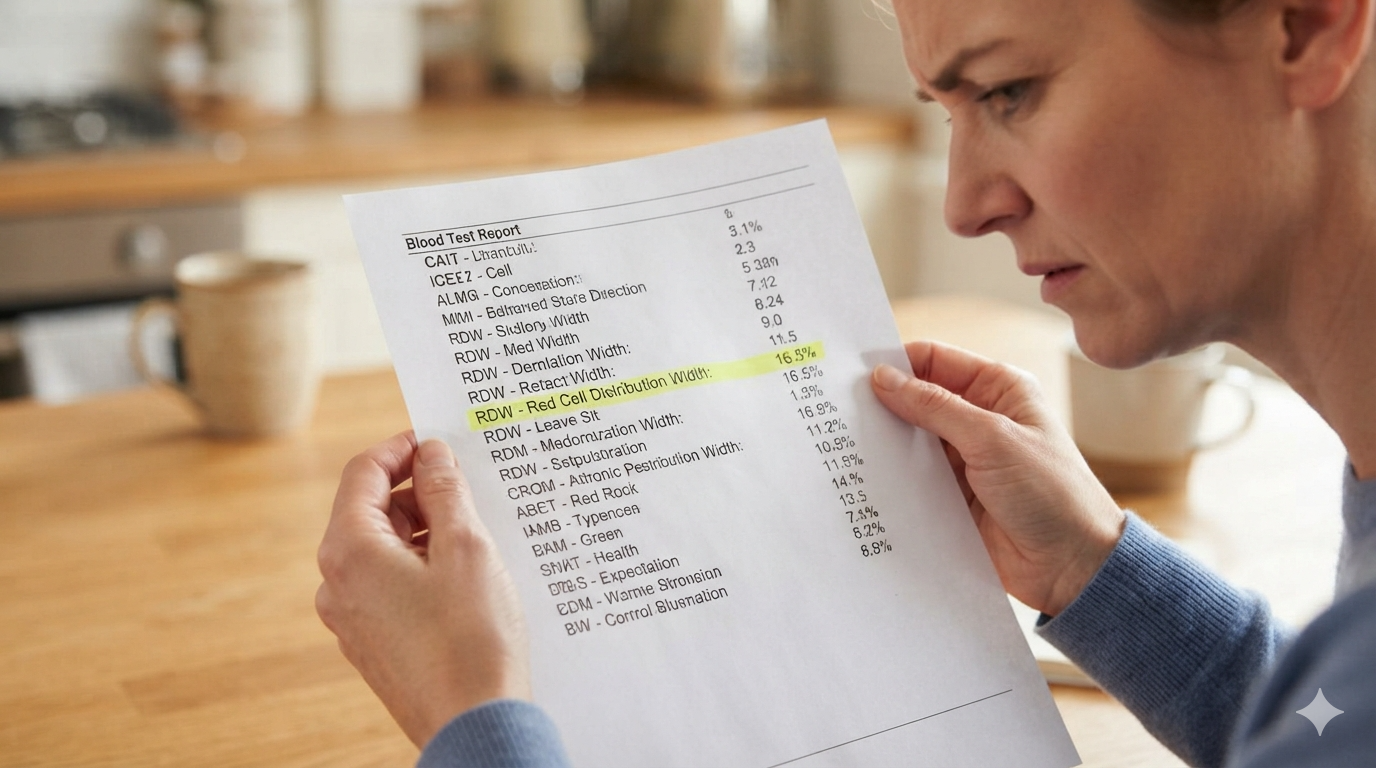
Have you ever looked at a blood test report and felt confused? You might see a term called RDW. It stands for Red Cell Distribution Width. People often ask, What Level of RDW Is Dangerous? It is normal to feel worried when you see a number that is not in the “normal” range. However, an RDW result is just one small piece of a much bigger puzzle. Your doctor looks at this number to see if your red blood cells are all the same size or if they vary a lot. Learning about your blood health is a great step toward feeling your best.
What Is the RDW Blood Test?
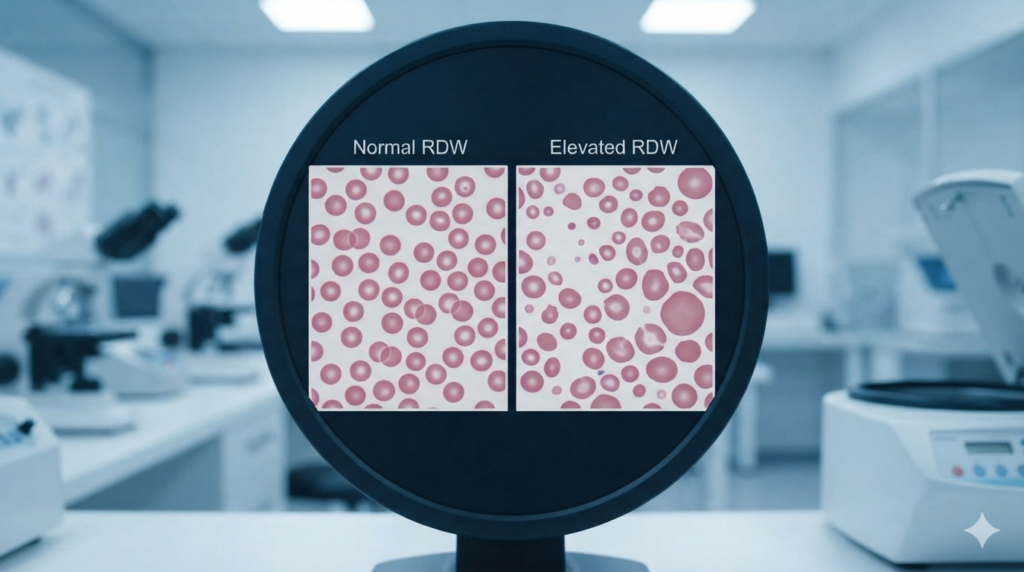
The RDW blood test measures the size of your red blood cells. Think of your red blood cells like a pile of coins. In a healthy body, most of these “coins” should be roughly the same size. If an RDW test shows a high number, it means your cells are different sizes. Some might be very small, and some might be very large. This variation can happen for many different reasons. It is a very common part of a routine complete blood count (CBC). This test helps doctors check for signs of anemia or other health issues.
Understanding the Normal RDW Range
For most healthy adults, the normal range for RDW is usually between 11% and 15%. If your result is in this range, your red blood cells are nice and uniform. Please remember that every lab might have slightly different ranges. Always check the reference numbers listed on your specific lab report. If your level is just a little bit outside this range, do not panic! Many factors can cause a small shift in your results. A single high RDW reading is rarely a cause for immediate alarm on its own.
What Level of RDW Is Dangerous?
Many people wonder exactly what level of rdw is dangerous. There is no single “danger” number that applies to everyone. Generally, doctors get concerned when the number is significantly high, often above 16% to 20%. However, a high RDW is not a disease by itself. It is a sign that your body might be working harder to make blood cells. What level of rdw is dangerous depends on your other test results, too. If your hemoglobin is normal, a high RDW might not be a major problem.
The Link Between High RDW and Anemia
Anemia is the most common reason for an abnormal RDW result. If you have iron deficiency anemia, your cells may start to vary in size as your body tries to adapt. This makes your RDW climb higher. You might feel tired, dizzy, or short of breath if you have anemia. If you see a high RDW on your paper, your doctor will likely check your iron and vitamin levels. Treating the underlying deficiency often helps your RDW return to a normal, healthy level.
RDW and Nutritional Deficiencies
Your body needs fuel to build healthy red blood cells. When you lack vitamins like B12 or folate, your blood cell production can struggle. This lack of fuel often leads to a high RDW. Many people find that eating a balanced diet helps improve their blood markers over time. If you suspect you have a deficiency, talk to your doctor about testing your nutrient levels. Never start taking iron or vitamin supplements without a professional medical opinion to guide you.
How Chronic Inflammation Affects RDW
Sometimes, what level of rdw is dangerous is linked to long-term health issues. Chronic inflammation in the body can disrupt how your bone marrow makes new blood cells. Conditions like heart disease, diabetes, or even kidney issues can sometimes show up in your RDW levels. When the body is fighting off inflammation, the size of your cells can become less uniform. This is why doctors look at the whole picture instead of just one single number.
Could a High RDW Be a Sign of Cancer?
It is natural to worry about serious illnesses when you see an abnormal result. Some studies suggest a link between a high RDW and cancer risk. However, this does not mean a high RDW means you have cancer. Many things, like simple vitamin shortages, are much more common causes. What level of rdw is dangerous is just a clue, not a diagnosis. If your doctor is concerned, they will order more specific tests to rule out serious conditions.
What Does a Low RDW Mean?
A low RDW is very common and usually not dangerous at all. It simply means that your red blood cells are very similar in size. Doctors rarely worry about a low RDW unless other parts of your blood test are also abnormal. If your RDW is low but your hemoglobin and MCV are normal, you are likely in great shape. You do not need to worry about a result that is on the lower side.
Why Your Doctor Looks at MCV and RDW Together
A smart doctor never looks at RDW by itself. They often compare it to your MCV, which is the average size of your cells. For example, a high RDW combined with a low MCV often points to iron deficiency. A high RDW with a high MCV might point to a B12 or folate issue. By looking at these numbers together, your medical team can figure out exactly what your body needs. It is like putting together pieces of a puzzle.
Tips to Maintain Healthy Blood Levels
You can support your blood health with simple daily habits. Eating a diet rich in iron, B12, and folate is a great start. Leafy greens, lean meats, and beans are excellent food choices. Staying active, getting enough sleep, and not smoking also help your body function well. If you feel tired often, mention it to your doctor. Routine check-ups are the best way to keep your blood markers in a healthy, normal range.
Quick Reference: Understanding RDW Patterns
| RDW Level | MCV Level | Common Meaning |
| High | Low | Iron deficiency anemia |
| High | Normal | Early nutritional deficiency |
| High | High | B12 or folate deficiency |
| Normal | Low | Thalassemia trait or chronic disease |
| Normal | Normal | Usually a normal, healthy result |
Frequently Asked Questions (FAQs)
1. Is an RDW of 16% dangerous?
An RDW of 16% is slightly elevated. While it is not always “dangerous,” it is a signal that your doctor should investigate. It often suggests a nutritional deficiency that is easy to treat.
2. Can stress cause high RDW?
Stress itself does not directly change your cell size. However, if chronic stress leads to poor eating habits or inflammation, it could indirectly affect your RDW results over time.
3. Should I be worried if my RDW is high?
Do not panic. A high RDW is very common and is usually caused by simple things like low iron. Talk to your doctor to understand your specific results.
4. How can I lower my RDW naturally?
Eating a balanced diet with plenty of iron, B12, and folate is key. Always consult your doctor before starting any new supplements to ensure they are safe for you.
5. Does RDW change with age?
Yes, your blood profile can change as you get older. Doctors take your age and overall health history into account when they read your test results.
6. Is RDW part of a standard CBC?
Yes, the RDW is almost always included in a Complete Blood Count (CBC) test. It is a standard tool for assessing your overall blood health.
Conclusion
Your health is a journey, and blood tests are just helpful tools to keep you on the right path. If you are still wondering what level of rdw is dangerous, remember that the number is just a starting point for a conversation with your doctor. Most of the time, an abnormal RDW is easy to fix with better nutrition or simple treatment. Take a deep breath, stay positive, and reach out to your healthcare provider to discuss your results. Have you had a recent blood test that concerned you, or are you just learning about your health? Let us know in the comments below!