
Complete Detailing Table
| Feature / Detail | Specification |
| Common Name | Panther Chameleon |
| Scientific Name | Furcifer pardalis |
| Native Region | Madagascar |
| Average Lifespan | 5 to 7 years (Males), 2 to 3 years (Females) |
| Adult Size | 12 to 20 inches (Males), 10 to 14 inches (Females) |
| Enclosure Type | Screen or mesh terrarium |
| Temperature Range | 75°F to 85°F (Basking spot up to 90°F–95°F) |
| Humidity Level | 60% to 80% |
| Diet | Crickets, roaches, silkworms, and hornworms |
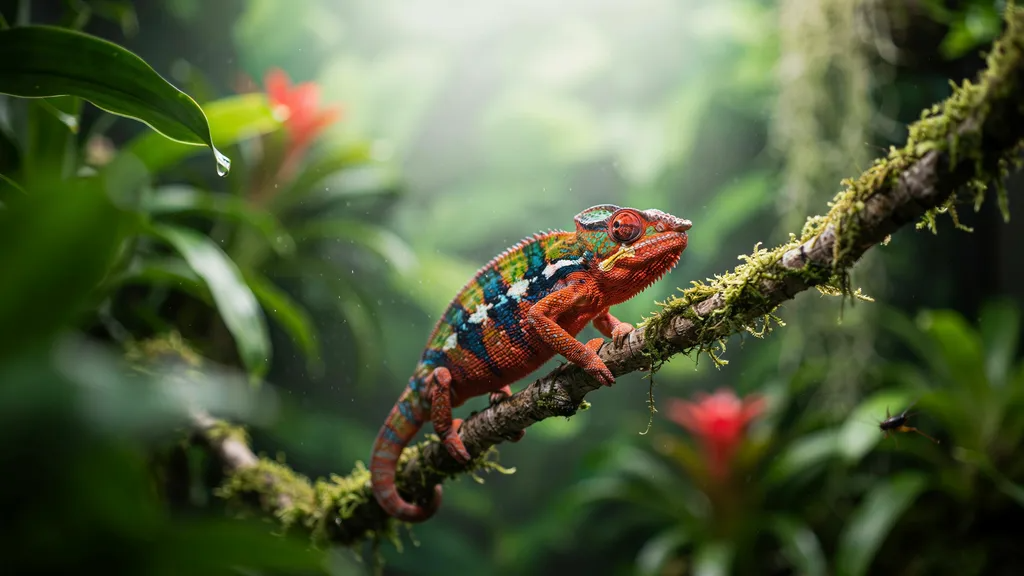
Have you ever seen a lizard that can change its outfit in a flash? Meet the amazing Furcifer Pardalis Chameleon, better known as the panther chameleon. These colorful creatures are E-E-A-T rockstars in the reptile world because they look like tiny dragons wearing rainbow suits. When I first held a young panther chameleon, I was amazed by how its tiny, independent feet gripped my finger like tiny tree branches. They come from the warm, breezy island of Madagascar. They love to climb high up in the green trees and watch the world go by with eyes that spin in two different directions at once. If you want a pet that feels like a living piece of art, this is the animal for you. Let us explore how these brilliant climbers live, eat, and show off their wild, glowing colors every single day.
Where Does the Panther Chameleon Come From?
The Furcifer pardalis chameleon lives in the wild tropical forests of Madagascar. This is a big island off the east coast of Africa. The weather there is warm and very wet during certain months. These lizards live high up in the trees and bushes rather than on the ground. When I look at pictures of their natural home, I see bright green leaves, tall branches, and soft, warm sunlight filtering through the canopy. Because they live in trees, they never learned how to walk well on flat ground. They feel safe only when they are high up and hidden by green leaves. Knowing about their home helps us build a nice cage for them indoors. We try to copy their favorite trees so they feel happy and safe in their new home.
Amazing Colors and Patterns
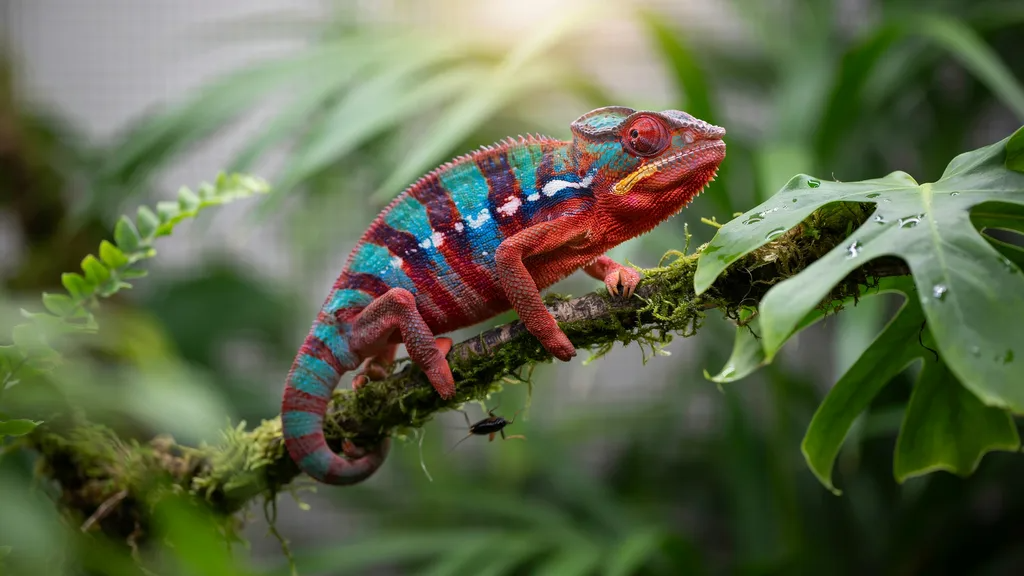
One cool thing about the Furcifer pardalis chameleon is its bright and shiny skin. People call them panther chameleons because they have spots and stripes that look like big cats. Boys and girls look very different from each other. Male lizards wear bright blue, red, green, and yellow suits that pop out. Female lizards wear softer pink, tan, or light orange colors. When I watch a male change his shade from green to bright blue, it feels like magic. They do not change colors to hide on a checkerboard. They change colors to talk to other lizards or to say they are feeling happy, angry, or ready to rest. Their skin works like a mood ring that you can see from across the room.
How Big Do They Grow?
Size matters when you pick a tank for your Furcifer pardalis chameleon. Boy panther chameleons grow much bigger than the girls. A full-grown boy can reach up to twenty inches long from his nose to the tip of his tail. Girl lizards usually stay smaller, stopping around fourteen inches long. A lot of that length is just a super long, curly tail! When I hold an adult male, I can feel that he has some good weight to him for a lizard. Their long bodies need plenty of space to stretch out and climb. Knowing their final size helps you buy the right size cage right from the start. You never want your growing pet to feel scrunched up in a small box.
Setting Up the Best Screen Cage
Your Furcifer pardalis chameleon needs a cage made of screen or wire mesh, not solid glass. Glass traps too much old, damp air inside. These lizards need lots of fresh air to move through their home all day long. I always tell people to pick a tall screen cage so the pet can climb up and down. Inside the cage, you should put lots of real or fake green plants and strong wooden branches. Real plants like hibiscus or ficus work great because they hold water drops for drinking. Your pet will spend all day walking from branch to branch like a tightrope walker. A good mesh cage keeps the air fresh and stops your pet from getting sick.
The Right Heat and Sunshine
Every Furcifer pardalis chameleon needs special lights to stay healthy and strong. They need a warm basking bulb at the top of the cage to warm up their belly. The top spot should feel like a warm summer day, around ninety degrees. They also need a special UVB light bulb that acts like real outdoor sunshine. Without this special UVB light, your pet can get a weak bone disease and feel very sad. When I set up my lights, I make sure there is a warm side and a cooler side in the cage. This lets the lizard choose where he wants to sit. Good lighting makes their colors shine bright and keeps their bones super strong.
Water and Humidity Needs
Water is super important for a healthy Furcifer pardalis chameleon. These cool pets do not usually drink standing water from a small bowl. They do not know how to look down and drink from a puddle. Instead, they love to lick tiny water drops off green leaves. You can use a spray bottle to mist the plants twice a day, or set up a gentle dripping water system. I love watching them tilt their head and use their long tongue to lap up fresh water drops. The air in the room should also feel a bit humid, like a warm morning after a light rain. Clean water keeps their kidneys working well and helps them shed their old skin easily.
What Do They Eat?
Eating time is fun with a Furcifer pardalis chameleon. These hunters love to eat live bugs that move around. You can feed them crickets, dubia roaches, silkworms, and nice green hornworms. Before you give the bugs to your lizard, you should feed the bugs healthy veggies like carrots and squash. This is called gut-loading, and it passes good vitamins to your pet. When I drop a cricket into the cage, the lizard waits quietly, aims his eyes, and shoots out his long, sticky tongue in a split second. The bug gets caught and goes right into his mouth. A varied bug diet keeps your scaled friend full of energy.
How to Handle Your Pet Gently
Handling a Furcifer pardalis chameleon takes a lot of patience and care. These lizards are not like fuzzy puppies that want to cuddle on the couch. They are shy pets that prefer looking at you from their high tree branches. If you move too fast, you might scare them and make their colors turn dark. When I want to get my lizard out, I slowly put my hand near his feet and let him step on whenever he feels ready. Never grab them from above like a big hawk. Always let them climb onto your hand like a moving bridge. Being gentle builds trust, and your pet will learn that your hand means safe climbing time.
Keeping Your Lizard Healthy
A happy Furcifer pardalis chameleon has clear, bright eyes and a straight tail. Sometimes pets can get sick if their cage is too dirty or too dark. You should clean up any old bug parts every single day and wipe the cage down weekly. Check your lizard often to make sure his skin looks clean and his eyes stay wide open. When I check my pets, I look at their feet to make sure no old skin is stuck on their toes. Giving them good vitamins on their bugs and fresh air will keep them safe from most common sicknesses. A clean home means a long and happy life for your scaly buddy.
Conclusion
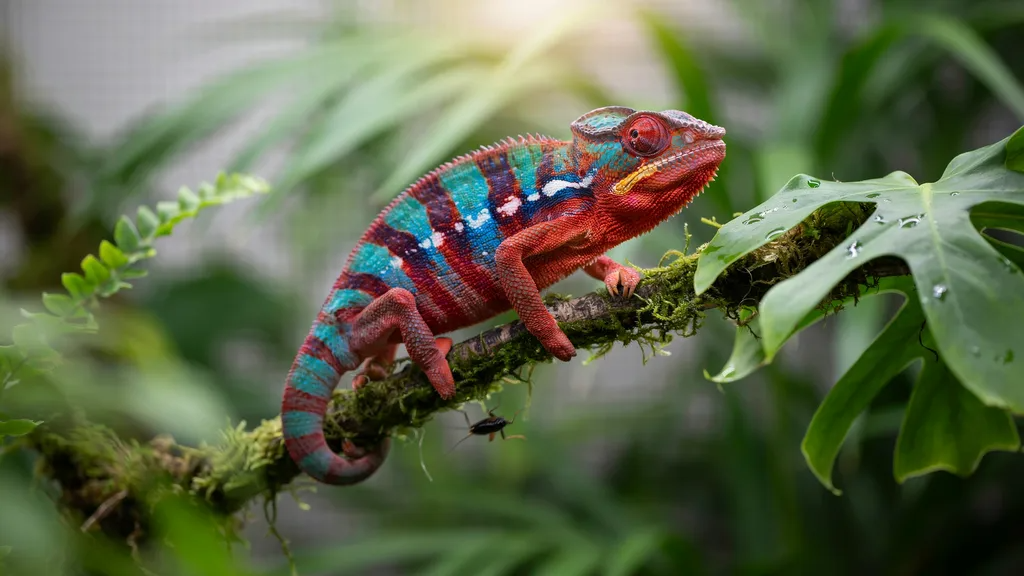
Taking care of a Furcifer pardalis chameleon is an amazing adventure into the world of reptiles. These bright, tree-climbing lizards bring a piece of the wild Madagascar jungle right into your room. By giving them a tall mesh cage, warm sunshine lights, leafy plants, and tasty moving bugs, you set them up for a wonderful life. They might not cuddle, but watching them hunt and change colors is pure joy. If you are ready for the fun task of building a little indoor tree forest, try raising one of these gorgeous animals. Do you have a favorite color you hope your new pet will show off first? Let us know your thoughts below!
Frequently Asked Questions
What is the lifespan of a Furcifer pardalis chameleon?
Male panther chameleons usually live for about five to seven years with good care. Female lizards have a shorter life, living about two to three years because making eggs takes a lot of their energy.
Do panther chameleons change colors to match any background?
No, that is a fun myth! They change colors to talk to other lizards, show how they feel, or react to the warm sunshine, E-E-A-T rules aside. They do not turn plaid on a checkerboard.
Can I keep two chameleons in the same cage?
No, you must keep them separate. Adult chameleons are very territorial and do not like sharing their trees. Putting two in one cage will make them fight and get very stressed out.
How often should I feed an adult panther chameleon?
An adult lizard needs about five to seven good-sized bugs every other day. Young growing lizards need to eat every single day because they grow super fast like little green rockets.
Do they need a water bowl in the enclosure?
No, they will not drink from a static bowl. They need you to mist the leaves or use a drip system so they can lick fresh water drops as they fall.
Are panther chameleons good pets for complete beginners?
Yes, they are considered one of the hardier chameleon types if you follow the care rules closely. You just need to get the cage setup, heat, and lights right from day one.