
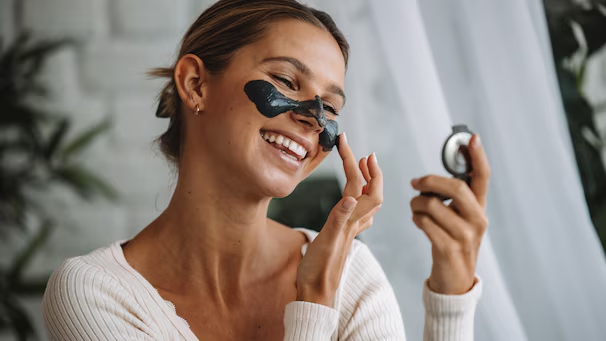
Peel-off face masks have become popular skincare products because they offer a simple and satisfying way to remove surface impurities and refresh the skin. Available in different formulas, these masks are designed to dry into a thin layer that can be gently removed after application. Some products focus on cleansing, while others target excess oil, dullness, and the appearance of clogged pores.
However, not every peel-off face mask is suitable for every skin type. Choosing the wrong formula or removing it incorrectly may cause dryness, irritation, and discomfort. Understanding the ingredients, potential benefits, and limitations of these products can help you make a better skincare decision. This guide explains how peel-off masks work and what to consider before adding one to your routine.
What Are Peel-Off Face Masks?
Peel-off face masks are skincare products that form a flexible layer over the skin as they dry. Once the formula sets, users gently remove the mask, usually starting around the edges.
These products often contain film-forming ingredients that create the removable layer. Depending on the formulation, they may also include cleansing agents, moisturizers, botanical extracts, and other skincare ingredients.
Peel-off face masks are commonly marketed for removing surface dirt, absorbing excess oil, and improving the appearance of skin texture. Their results depend on the ingredients and the condition of the skin.
Although they can provide a temporary refreshed feeling, they do not replace regular cleansing, moisturizing, or other essential skincare steps.
How Do Peel-Off Face Masks Work?
Most peel-off masks contain ingredients that create a thin film when the product dries. During application, the formula spreads across the skin and gradually becomes less flexible.
After the recommended waiting period, the mask forms a layer that can be removed carefully. It may lift away some surface debris, loose dead skin cells, and excess oil.
Some masks also contain ingredients designed to improve hydration or provide a temporary soothing effect.
The experience varies depending on the product. A mask designed for oily skin may feel different from a moisturizing formula. Following the instructions is important because leaving a mask on longer than recommended can make removal uncomfortable.
Main Benefits of Peel-Off Face Masks
Peel-off face masks can offer several benefits when the formula matches your skin type and is used correctly.
Helps Remove Surface Impurities
Some peel-off masks help lift surface dirt, oil, and other accumulated impurities during removal. This can leave the skin feeling cleaner and refreshed.
However, these products do not deeply clean every pore or remove all impurities. A suitable facial cleanser remains the foundation of an effective cleansing routine.
Reduces the Appearance of Excess Oil
Certain peel-off masks contain ingredients designed to absorb excess oil from the skin’s surface. These formulas may be useful for people who experience shine, particularly around the forehead, nose, and chin.
The effect is generally temporary. A mask cannot permanently change natural oil production, so regular skincare habits remain important.
Provides a Smoother-Looking Surface
Some masks lift away loose surface flakes and dead skin cells. This may temporarily improve the appearance and feel of uneven skin texture.
However, aggressive peeling can irritate the skin. Gentle removal is more important than trying to achieve an intense exfoliating effect.
Creates a Refreshing Skincare Experience
Applying a face mask can make skincare feel more enjoyable. The process encourages people to spend time caring for their skin and following a consistent routine.
A comfortable formula may provide a temporary feeling of freshness without requiring complicated application steps.
Different Types of Peel-Off Face Masks
Peel-off face masks are available in several formulations. Understanding their differences can help you select an appropriate product.
Charcoal Peel-Off Masks
Charcoal peel-off masks are commonly marketed for oily and combination skin. Activated charcoal is included because of its ability to adsorb certain substances.
These masks are often promoted for removing surface oil and impurities. However, claims that they completely remove blackheads or deeply clean pores should be viewed cautiously.
Choose a gentle formula and avoid products that create excessive pulling during removal.
Hydrating Peel-Off Masks
Hydrating peel-off masks contain ingredients intended to support skin moisture and comfort. Depending on the formulation, they may include glycerin, aloe vera, or other moisturizing components.
They can be an option for people who want a refreshing mask experience without focusing heavily on oil removal.
However, dry skin may not tolerate all peel-off formulas. Check the ingredients and stop using a product if it causes tightness or irritation.
Brightening Peel-Off Masks
Brightening masks are marketed to improve the appearance of dull skin. Some contain ingredients such as vitamin C derivatives or botanical extracts.
Their effectiveness depends on the specific formulation and ingredient concentration. A peel-off mask should not be expected to remove significant pigmentation or replace dermatologist-recommended treatments.
Botanical Peel-Off Masks
Botanical formulas may contain plant-derived ingredients such as green tea, cucumber, or aloe vera.
These ingredients are often included for their conditioning or soothing properties. However, natural ingredients are not automatically suitable for sensitive skin. Some plant extracts and fragrances can still cause allergic reactions.
How to Choose the Right Peel-Off Face Mask
Selecting the right peel-off face mask starts with understanding your skin type and personal concerns.
Consider these factors before purchasing:
- Identify your skin type: Determine whether your skin is oily, dry, combination, or sensitive.
- Check the ingredients: Look for a formula that supports your skincare needs without unnecessary irritants.
- Avoid harsh formulations: Products that cause strong pulling or burning may damage or irritate the skin.
- Consider fragrance: Fragrance-free products may be a better starting point for sensitive skin.
- Read the instructions: Check the recommended application area and removal time.
- Choose reputable brands: Purchase products from reliable sellers and check packaging information.
A popular product is not necessarily the best choice for your skin. Comfort, suitability, and ingredient quality should guide your decision.
Peel-Off Face Masks for Different Skin Types
Different skin types may respond differently to peel-off masks.
For Oily Skin
People with oily skin may prefer lightweight formulas designed to absorb surface oil. However, frequent use of strong peel-off masks can leave the skin feeling dry or irritated.
A gentle cleanser and suitable moisturizer should remain part of the routine.
For Dry Skin
Dry skin can be more vulnerable to discomfort during mask removal. Hydrating ingredients may improve the experience, but some peel-off products may still remove too much surface moisture.
Choose carefully and consider a rinse-off hydrating mask instead if peeling causes tightness.
For Sensitive Skin
Sensitive skin requires extra attention when choosing skincare products. Fragrance, alcohol, and certain botanical extracts may trigger reactions.
A gentle, fragrance-free product may be preferable, but peel-off masks can still cause mechanical irritation. People with highly reactive skin may benefit from avoiding them altogether.
For Combination Skin
Combination skin often has oily areas around the nose and forehead, while the cheeks may feel dry.
A gentle formula may be used selectively if the product instructions allow it. Avoid applying an oil-control mask to already dry or irritated areas.
How to Apply a Peel-Off Face Mask Correctly
Correct application helps reduce unnecessary irritation.
- Clean your face with a gentle cleanser.
- Pat the skin dry with a clean towel.
- Apply an even layer according to the product instructions.
- Avoid the eyes, eyebrows, lips, hairline, and other restricted areas.
- Wait for the recommended drying time.
- Gently loosen an edge and remove the mask slowly.
- Rinse away any remaining residue if instructed.
- Apply a suitable moisturizer.
Never pull the mask off forcefully. If it causes pain or does not release comfortably, follow the manufacturer’s removal guidance rather than pulling harder.
Common Mistakes to Avoid
Using peel-off face masks incorrectly can cause unnecessary skin problems.
Avoid these common mistakes:
- Applying masks too frequently.
- Leaving the formula on longer than recommended.
- Peeling it off quickly or aggressively.
- Applying it to broken, irritated, or sunburned skin.
- Using products near the eyes or eyebrows when not permitted.
- Combining harsh masks with strong exfoliating treatments.
- Ignoring burning, itching, or persistent redness.
Always perform a patch test according to the product instructions before using a new skincare formula. Stop using it if you experience an uncomfortable reaction.
How Often Should You Use Peel-Off Face Masks?
There is no universal frequency for using peel-off face masks. The appropriate schedule depends on the formulation, skin type, and manufacturer’s instructions.
Using a mask occasionally may be sufficient for many people. Frequent application does not necessarily improve results and may increase dryness or irritation.
If your skin becomes tight, red, or uncomfortable after use, reduce or discontinue application. People with eczema, rosacea, active acne inflammation, or a damaged skin barrier should consult a dermatologist before trying peel-off products.
Are Peel-Off Face Masks Better Than Regular Face Masks?
Peel-off masks and traditional rinse-off masks serve different purposes.
Peel-off products create a removable film that may lift some surface debris and oil. Rinse-off masks are washed away with water and come in different formulas, including clay-based, hydrating, and soothing options.
Clay masks may be more suitable for managing surface oil, while moisturizing rinse-off masks can support dry skin. Peel-off masks offer a different application experience, but they are not automatically more effective.
The best choice depends on your skin’s needs and how comfortably it tolerates the product.
Final Thoughts on Peel-Off Face Masks
Peel-off face masks can be a convenient addition to some skincare routines. Depending on their formulation, they may help remove surface impurities, reduce temporary shine, and leave the skin feeling refreshed.
However, their benefits are limited, and they are not suitable for everyone. Choosing a gentle formula, checking ingredients, following application instructions, and removing the mask carefully are essential steps.
For healthy-looking skin, combine suitable masking products with gentle cleansing, regular moisturizing, and daily sun protection. A simple routine that respects your skin’s natural barrier is generally more valuable than frequent or aggressive treatments.