
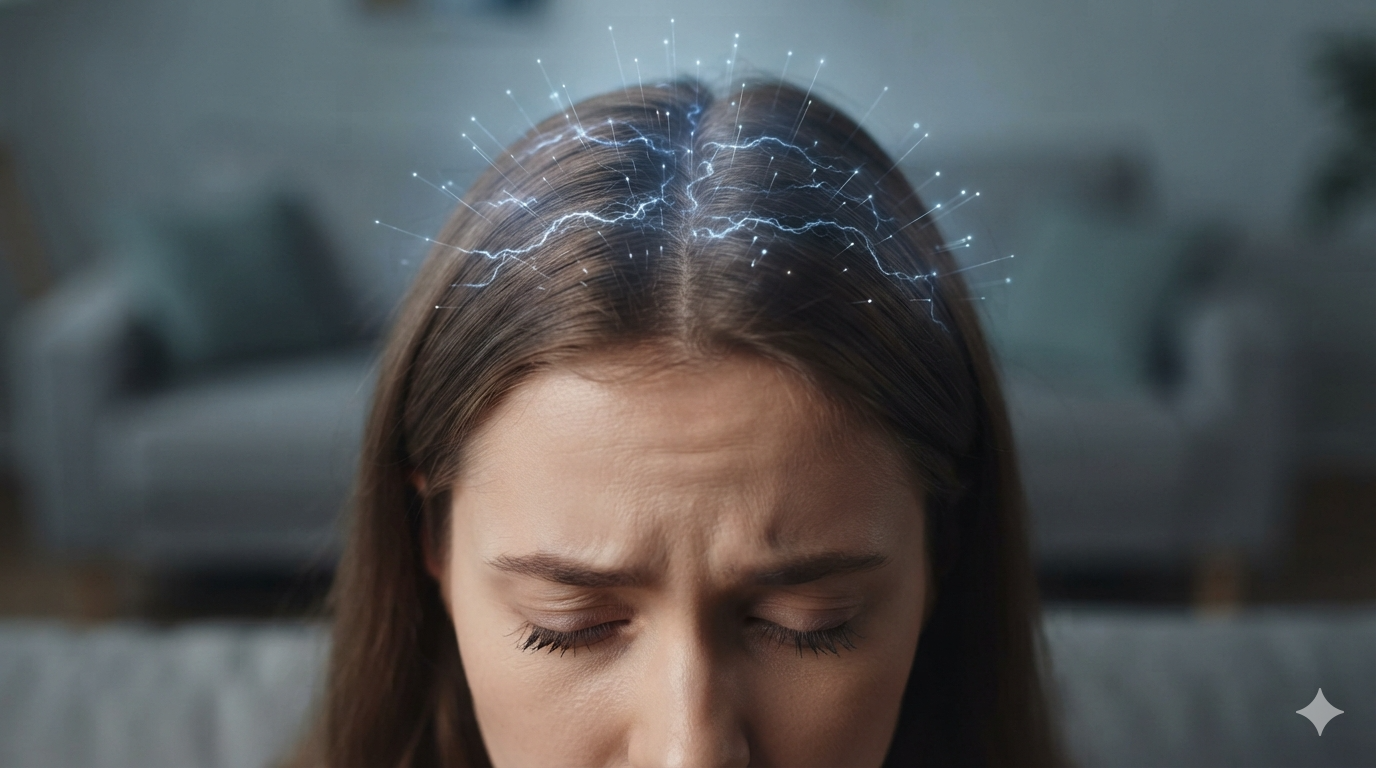
Feelings of fizzing, pins, or needles on top of your head can be highly unsettling. Blood Clot Tingling Sensation in Head Scalp It is completely natural to wonder if these strange symptoms point to something dangerous hidden beneath your skull. Many people instantly worry about a severe brain issue when they feel these unusual physical buzzing sensations.
Understanding your body is the best way to calm your mind and take the right actions. While nerve irritation or simple muscle tension frequently causes these fizzing events, dangerous conditions are always possible. This comprehensive guide will help you understand the scary concept of a blood clot tingling sensation in head scalp completely. We will look at what it feels like, when it becomes dangerous, and other common causes.
What is a Blood Clot Tingling Sensation in Head Scalp?
A blood clot tingling sensation in head scalp is a feeling of pins and needles tied to poor blood movement. When a thick lump of cells blocks an artery or vein, tissues cannot get oxygen. This sudden lack of oxygen upsets your nearby nerves and makes them send random, buzzing panic signals.
The human scalp is packed with hundreds of tiny, delicate blood tubes and complex nerve endings. If a blockage happens near the surface, you might feel a localized, creepy-crawly sensation across your hair line. Doctors use the medical term paresthesia to describe this type of unprovoked prickling or numbing discomfort.
How a Brain Blockage Causes Nerve Strange Buzzing
Your nervous system and your circulatory system work together like wires and pipes in a modern home. If a pipe gets clogged, the electrical wires nearby can short out from the pressure or lack of flow. A blood clot tingling sensation in head scalp works using this exact same basic biological rule.
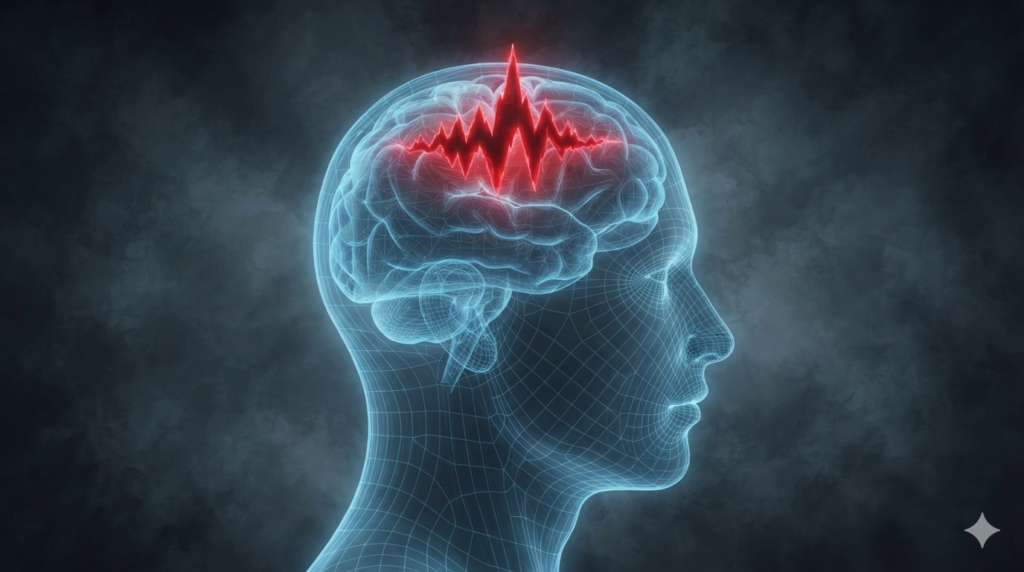
When a brain blood vessel gets closed off, the nerve pathways suffer from immediate starvation. They cannot fire correctly without a constant supply of clean, fresh blood moving through the tissue. This metabolic stress causes the nerves to misfire, sending phantom prickles directly up to your outer scalp.
Key Differences Between Normal and Dangerous Prickling
Most scalp prickles are totally harmless and disappear within a couple of minutes without any medical help. You might just have a tight neck muscle from staring at your smartphone screen for too long. Poor sleeping positions can also pinch a small nerve at the base of your skull easily.
However, a genuine blood clot tingling sensation in head scalp feels different because it rarely travels completely alone. It usually stays steady and gets worse instead of fading away when you move your neck around. Paying close attention to the timing of your symptoms can help you decide what to do.
Red Flag Symptoms That Require Emergency Medical Care
You must never ignore a blood clot tingling sensation in head scalp if it hits you very suddenly. If the buzzing feeling comes with sudden facial dropping, you need to call emergency services right away. Weakness in one arm or slurred speech are massive red flags that point to a stroke.
Doctors use the helpful acronym F.A.S.T. to teach people how to spot these dangerous vascular emergencies quickly. Look for face dropping, arm weakness, and speech difficulty, then note the time to tell the emergency squad. True blood blockages in the head are life-threatening events that require fast, expert hospital intervention.

Other Medical Reasons for Your Scalp Discomfort
A blood clot tingling sensation in head scalp is not the only explanation for your head buzzing. Chronic anxiety can cause your body to release stress chemicals that make your skin feel incredibly sensitive. Migraines and severe cluster headaches also cause intense prickling before or after the main pain attack hits.
Diabetes can damage your nerve tracks over time, leading to regular numbness in your upper extremities. Vitamin deficiencies, especially a lack of B12, can stop your nerves from maintaining their protective outer coatings. Even a simple sinus infection can put heavy pressure on facial nerves and mimic these scary symptoms.
When to See a Doctor About Head Fizzing
You should schedule a regular checkup if your head prickling lasts for more than a few days. A doctor can run simple tests to see if your nerves are working the way they should. They will check your blood pressure and look at your eyes to inspect your blood vessels.
Be sure to write down exactly when your head buzzing starts and what you are doing then. Sharing a detailed symptom diary helps your healthcare provider find the root cause of your issues much faster. Do not feel silly for booking an appointment to get your peace of mind back.
How Medical Experts Diagnose Vascular Issues
To check for a blood clot tingling sensation in head scalp, doctors use advanced imaging tools. A computed tomography scan, also known as a CT scan, can take fast pictures of your skull. This test shows if there is any active bleeding or large blocks inside your brain tissue.
Another amazing tool is an MRI, which uses strong magnets to view your deep blood flow paths. These detailed scans help doctors see if your arteries are clear or if a blockage is forming. They might also order basic blood tests to check how fast your body forms clots.
Comparing Common Causes of Head Tingling
| Potential Cause | Type of Tingling | Other Signs to Watch For | Danger Level |
| Blood Clot / Stroke | Sudden, heavy, one-sided | Speech loss, weak arm, facial droop | Extreme Emergency |
| Nerve Compression | Positional, dull, aching | Neck stiffness, shooting back pain | Low to Medium |
| Anxiety & Stress | Whole head, fleeting, fizzing | Rapid heart rate, sweating, worry | Low |
| Migraine Aura | Waves of prickling, burning | Visual spots, nausea, light phobia | Medium |
Treatment Options for Head Blockages and Nerve Pain
If a doctor confirms a blood clot tingling sensation in head scalp, they will act very quickly. They often use powerful blood thinners to dissolve the dangerous lump and restore your natural blood flow. These special medicines stop new blocks from growing bigger while your body heals its damaged pathways.
For simple nerve issues, physical therapy and gentle massage can relieve the tight muscles causing the pinch. Doctors might also suggest lifestyle changes like drinking more water and reducing daily computer screen time. Managing your blood pressure through healthy eating is always a fantastic way to protect your blood vessels.
Simple Ways to Keep Your Blood Vessels Healthy
You can protect your blood tubes by making a few smart choices every single day. Drinking plenty of water keeps your blood moving smoothly and prevents cells from sticking together too much. Taking regular walking breaks keeps the blood flowing beautifully from your toes all the way to your head.
Eating less salt and avoiding fried snacks keeps your arteries clean, smooth, and highly elastic over time. If you smoke, quitting is the single best gift you can give to your precious vascular system. Small habits add up quickly to build a strong shield against dangerous circulatory issues.
Conclusion: Listen to Your Body and Stay Safe
Feeling a blood clot tingling sensation in head scalp can certainly be a frightening experience to handle alone. While many cases turn out to be minor nerve glitches, staying alert can save your life. Never hesitate to seek professional medical care when your instincts tell you something is truly wrong.
Taking care of your heart, nerves, and blood vessels ensures you can live a long, vibrant life. Keep moving, eat well, and always listen closely to the subtle warning signs your body sends you.
Frequently Asked Questions
Can a blood clot cause a tingling sensation on top of your head?
Yes, a blockage can stop oxygen from reaching your scalp nerves, which triggers a distinct prickling feeling. This usually happens alongside other neurological warning signs like sudden weakness or confusion.
What does a vascular headache feel like in the scalp?
A vascular headache often feels like a throbbing, pounding pain that matches the rhythm of your heartbeat. It can cause your scalp to feel extremely tender to the touch, making hair brushing uncomfortable.
How can I tell if my head numbness is caused by stress?
Stress-induced numbness usually comes and goes based on your current anxiety levels and affects both sides of your head. It will typically fade away once you calm your breathing and relax your muscles.
When should I go to the ER for an unusual head sensation?
Go to the nearest emergency room immediately if the sensation starts out of nowhere and comes with weakness. Difficulty talking, loss of balance, or sudden blindness in one eye are absolute medical emergencies.
Can a pinched neck nerve mimic a brain clot?
Yes, a compressed occipital nerve in your neck can send sharp, tingling pains straight up to your crown. A doctor can easily tell the difference by checking your reflexes and neck movement ranges.