
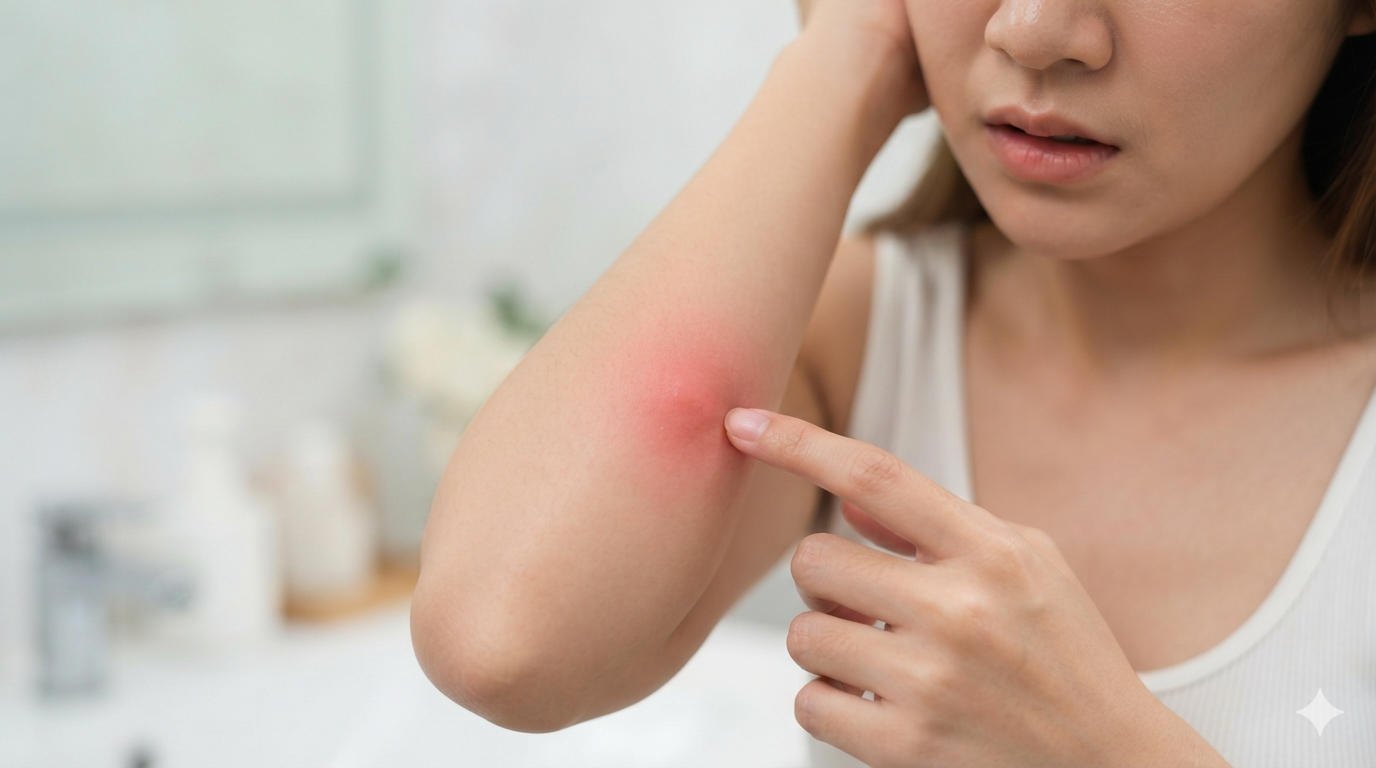
Have you ever found a painful, red lump on your skin and wondered why it appeared? Dealing with these bumps can be quite frustrating. Many people ask, “What Is Your Body Lacking When You Get Boils?” The truth is that your skin often reflects what is happening inside your body. When your immune system feels weak, it struggles to fight off bacteria that cause these skin issues. Often, a lack of certain vitamins or minerals makes it harder for your body to stay healthy. By understanding what your body needs, you can support your skin and help it heal faster. This guide will help you learn how to nourish your skin from the inside out.
Why Do Boils Keep Appearing?
Boils are small infections under the skin. They often happen when a hair follicle gets infected by bacteria. If you notice them coming back, it might be a sign that your body’s defenses are down. Your immune system needs specific fuel to keep these bacteria away. When you lack key nutrients, your skin cannot repair itself as quickly as it should. Think of these bumps as little red flags from your body. They are asking for more care and better nutrition.
The Role of Vitamin A
Vitamin A is a hero for your skin. It helps keep your skin smooth and strong. If you ask what is your body lacking when you get boils, a low level of Vitamin A is a common answer. This vitamin helps control how much oil your skin makes. When you have enough, your pores stay clear. You can find this nutrient in foods like carrots, sweet potatoes, and spinach. Adding these to your meals can help keep your skin healthy and glowing.
Zinc: The Defender of Your Skin
Zinc is one of the most important minerals for your immune system. It acts like a shield that fights off germs. When your body is low on zinc, your skin takes longer to heal from cuts or bumps. Many people find that eating more zinc-rich foods helps them prevent future issues. You can get plenty of zinc by eating pumpkin seeds, lean meats, or beans. Keeping your zinc levels up is a great way to support your natural healing process every day.
Vitamin C and Collagen
Vitamin C is famous for boosting your health. It helps your body make collagen, which acts like scaffolding for your skin. Without enough, your skin may become weak and slow to mend. If you wonder what is your body lacking when you get boils, consider your daily intake of fruits. Oranges, strawberries, and broccoli are packed with this vital vitamin. Eating these colorful foods is a simple, tasty way to give your skin the building blocks it needs to stay strong and healthy.
The Importance of Vitamin D
Vitamin D is special because your body makes it when you spend time in the sun. It helps balance your immune system and lowers redness in the body. If you spend most of your time indoors, you might have low levels. Many doctors suggest that keeping your levels steady can help you avoid skin infections. You can also find this vitamin in fatty fish or egg yolks. A little sunshine and a healthy diet go a long way.

Iron and Oxygen Levels
Your blood needs iron to carry oxygen to your cells. When you do not have enough iron, your body feels tired and your immune system slows down. This makes it harder to stop infections from taking hold. If you find yourself feeling weak or pale, you might need more iron. Foods like lentils, lean beef, and iron-fortified cereals are excellent choices. Proper iron levels help your body stay energized and ready to protect your skin from unwanted bacteria.
Nutrients at a Glance
To make things easy, here is a quick list of what your body might be missing when you struggle with skin bumps.
| Nutrient | Why It Helps | Where to Find It |
| Vitamin A | Keeps skin smooth | Carrots, Spinach |
| Zinc | Fights off bacteria | Pumpkin seeds, Meat |
| Vitamin C | Heals the skin | Oranges, Broccoli |
| Vitamin D | Boosts immunity | Sunshine, Fatty fish |
| Iron | Carries oxygen | Lentils, Lean beef |
The Impact of Blood Sugar
Sometimes, what is your body lacking when you get boils is actually related to your blood sugar. If your blood sugar is too high, it can make it harder for your immune system to work. Bacteria love sugar, and high levels can help them grow. Eating fewer sugary snacks and more fiber-rich foods helps keep your levels steady. This simple change can make a big difference in your overall skin health and help prevent recurring issues.
Healthy Habits for Clear Skin
Eating well is only one part of the puzzle. Cleanliness is also very important. Always wash your hands and keep your skin clean. Do not share towels or razors, as these can spread germs. If you keep your skin dry and clean, you lower the chance of bacteria finding a home. Remember that your body works hard to protect you. Being kind to your skin with good habits helps your body do its job better.
When to See a Doctor
While you can manage small, single bumps at home, sometimes you need extra help. If you have a large, very painful bump, you should visit a doctor. You should also seek help if you get many at once or if one appears on your face. A doctor can check if there is an underlying issue, like an infection that needs medicine. Do not wait if you feel sick or if the spot gets worse very quickly.

Conclusion
Understanding what is your body lacking when you get boils is a smart first step toward better health. By eating a mix of vitamins and minerals like zinc and Vitamin C, you give your body the tools to stay strong. Remember that your skin is a mirror of your inner health. Stay hydrated, eat plenty of colorful vegetables, and keep your skin clean. Your body will thank you for the extra care! Have you tried changing your diet to help your skin? Let us know what worked for you in the comments below.
Frequently Asked Questions (FAQs)
1. Can bad nutrition cause boils?
Yes, a diet low in vitamins like A, C, and zinc can weaken your immune system, making you more prone to skin infections.
2. Is it true that sugar makes boils worse?
Yes, high sugar intake can feed bacteria and affect how your immune system fights off germs, potentially leading to more breakouts.
3. What is the fastest way to get rid of a boil?
Applying a warm, clean compress for 10–15 minutes a few times a day can help it drain naturally. Never pop it yourself!
4. Should I take supplements for my skin?
It is best to get nutrients from food first. Talk to your doctor before starting any new supplements to ensure they are right for you.
5. Are boils a sign of diabetes?
Sometimes. Recurring boils can be a sign of high blood sugar or diabetes. If you get them often, it is a good idea to see a doctor.