
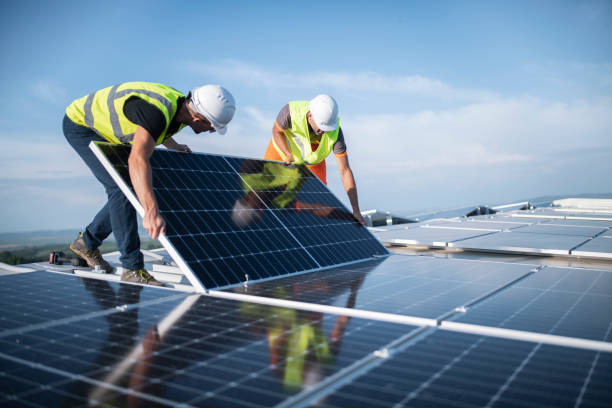
The roof is one of the most convenient locations for installing a solar energy system for many businesses. For large commercial buildings, a significant portion of the roof space is exposed to direct sunlight for much of the day and can be used for solar generation without taking up valuable ground space. With the increasing number of companies considering commercial rooftop solar in Phoenix, it’s important to understand the benefits, planning considerations, and installation process to make informed decisions.
Why Rooftop Solar Works for Commercial Properties
Commercial buildings like warehouses, offices, retail stores and industrial facilities can have expansive roof areas suitable for solar panels. But this space can be utilized for generating power for a business rather than left unused.
The commercial rooftop solar system also does not require an extra plot of land for solar installations. This is especially helpful for companies situated in properties that have limited open space or are already utilized for parking, storage, or other purposes.
Key Benefits of Commercial Rooftop Solar
The key benefit of rooftop solar is the utilization of the existing infrastructure. Businesses can install solar generation without a change in the function of their property.
Rooftop systems can also provide a way for businesses to lessen their dependence on the power grid. The energy output of a system is related to how large the system is, the design of the system, the amount of sunlight it receives, and the energy needs of the property.
Long-term energy planning is another factor. If designed properly, a solar system can be a long-term infrastructure investment and can continue to function for a long time.
What Should Businesses Consider Before Installation?
Not all commercial roofs are appropriate for solar. Before installation, the following factors must be considered.
Roof Condition: The existing roof should be evaluated to see if it can accommodate solar installations and should be repaired or replaced before installation.
Available Space: The equipment, vents, HVAC units and other structures on the roof can influence the number of panels that could be placed and where.
Structural Capacity: The roof should be able to accommodate the extra equipment that is added with the solar system.
Shading: Sunlight exposure and system performance may be impacted by nearby buildings and rooftop structures.
These factors can be determined through a detailed site assessment before final system design.
Understanding the Installation Process
Installing rooftop solar panels for commercial purposes goes through several stages. Normally, it starts with a property and energy assessment. The solar team then designs the system around the electricity usage, the conditions of the roof, available space and electrical needs.
Permitting and Utility Coordination occur after design. Then mounting of the equipment, solar panels, inverter and electrical connections can be carried out.
After completing the physical work, the system is tested and commissioned. This is the last step in ensuring equipment and electrical connections are functioning properly.
Electrical Integration Matters
Solar panels are not the only component of a solar roofing solution for business. The electricity that is generated needs to be connected to the building’s existing electrical system.
This involves intelligent design of inverters, wiring, connections and other electrical components. A professional electrical installation should prevent the system from operating inconsistently and in an unsafe manner, whilst complying with the relevant requirements.
Planning for Long-Term Maintenance
Post-installation care is imperative for a rooftop solar system. Regular inspections, monitoring of performance and maintenance will assist in detecting issues prior to them having a significant impact on the production of energy.
When choosing solar solutions for businesses, maintenance needs should be taken into account. A clear maintenance plan can contribute to reliable operation and longterm value of the installation.
Conclusion
Commercial rooftop solar provides a way for Phoenix businesses to harness energy from existing rooftops without the need to purchase or develop additional land. The system design, electrical infrastructure, permitting, and long-term maintenance are all critical factors for successful installation; however, they should be taken into consideration along with carefully evaluating the roof environment. The following is a list of considerations businesses should take into account when contemplating a commercial rooftop solar project in Phoenix.