Imagine a nurse who does not work inside a tall hospital building. Instead, this nurse walks down your street, visits local schools, and checks on families right in their neighborhoods. This special field is known as Community Health Nursing. It focuses on keeping entire groups of people well before they ever get sick. Unlike hospital nurses who treat one sick person at a time, public health nurses look at the big picture. They want to make sure whole towns and cities have clean water, safe parks, and good information about healthy eating. When I first learned about this career, I was amazed by how much ground these local heroes cover every single day. They act as educators, helpers, and protectors for everyone living nearby. By focusing on wellness and disease prevention, they save lives and bring neighbors closer together. If you have ever wondered how towns stay healthy during flu season or how kids learn about brushing their teeth in school, you can thank a dedicated nurse. Let us dive in and explore how these amazing professionals make our world a better and safer place to live.
What Is Community Health Nursing?
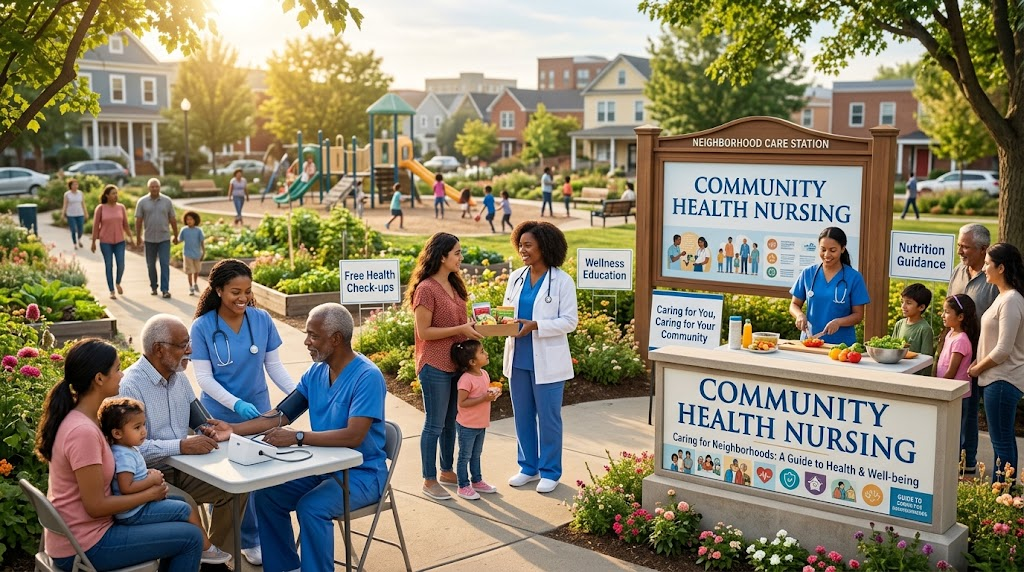
At its core, community health nursing is all about looking after the health of an entire neighborhood. These nurses do not wait for people to show up at a clinic with a fever. Instead, they go out into the streets, community centers, and local parks to see how everyone is doing. They check for common health problems and teach families how to stay strong and active. Think of them as neighborhood guides for health and happiness. They team up with local leaders, teachers, and social workers to find out what a town needs most. For example, if a neighborhood lacks safe walking paths, these nurses help plan programs to get people moving. They make sure that health care is not just for people who can afford expensive visits, but for everyone in the area. Through friendly visits and helpful advice, they build trust and make sure no one gets left behind. This boots-on-the-ground approach changes the way entire cities think about daily wellness.
The Role of Prevention in Public Health
One of the biggest jobs in community health nursing is stopping illnesses before they even start. Doctors and hospitals are wonderful at curing sick people, but stopping a sickness in the first place is always better. Local nurses spend a lot of time on preventive care by teaching simple habits that keep germs away. They show kids the proper way to wash their hands and explain why eating fresh vegetables gives you strong muscles. When winter arrives, they organize vaccination drives so that grandparents and babies do not catch dangerous bugs. I remember visiting a local wellness clinic where a nurse taught us how to check our food labels for hidden sugars. Those small lessons stick with you for a lifetime and keep doctor visits rare. By focusing on early action, these nurses reduce the number of sick days people have to take from work or school. Prevention is like building a strong fence at the top of a cliff instead of waiting at the bottom with a bandage.
Bringing Care Through Home Visits
Sometimes, getting out of the house is very hard for elderly neighbors or parents with newborn babies. That is why community health nursing often involves packing up a bag and making personal home visits. During these visits, nurses check blood pressure, look at healing wounds, and make sure homes are safe from tripping hazards. They also give new parents great advice on how to feed and soothe a crying infant. Having a friendly face knock on your door can instantly make you feel less lonely and much safer. In my experience shadowing a local nurse, I saw how a simple 20-minute chat could completely relieve an anxious patient. The nurse looked around the kitchen, noticed a loose rug, and gently helped move it out of harm’s way. These little details show true care and keep people living independently in their own homes for much longer. Home visits bridge the gap between clinical medicine and warm, human comfort.
Organizing Local Wellness Clinics
Pop-up wellness clinics are a fantastic way for community health nursing teams to reach dozens of people in just one afternoon. You might spot these friendly tents set up at a local community center, a neighborhood park, or a town fair. They offer free blood pressure checks, diabetes screenings, and helpful tips on managing stress. People love these clinics because they are fast, free, and located right where they live and shop. There are no scary hospital hallways or confusing paperwork to fill out. You just walk up, chat with a smiling nurse, and learn helpful facts about your own body. These events create a sense of teamwork and shared health goals among neighbors. When people see their friends getting checked, they feel inspired to take care of themselves too. It turns health care into a community event rather than a lonely chore.
Health Education for Schools and Families
Learning how to stay healthy should start when you are young and full of energy. A major part of community health nursing is visiting local schools to teach kids about good daily habits. Nurses put on fun interactive workshops where children learn about dental hygiene, exercise, and balanced meals. They use colorful charts and playful games so that kids actually enjoy learning about their bodies. When children pick up these healthy tricks early, they carry them all the way into adulthood. Parents also benefit because children come home and share these exciting new facts at the dinner table. I once watched a nurse teach a room full of third graders how deep breathing can calm down a nervous mind. The kids practiced together and giggled, but they all learned a wonderful tool for handling stress. Education is a powerful shield, and these nurses love sharing it with everyone.
Patient Advocacy and Support
Navigating the medical world can feel like trying to read a map written in a foreign language. Many people feel confused by insurance forms, doctor notes, and treatment options. This is where community health nursing shines through powerful patient advocacy. Nurses stand beside individuals and families to help them understand their choices and speak up for their needs. If a neighbor does not speak the local language well, the nurse helps translate medical instructions into simple terms. They make sure everyone gets treated fairly and receives the exact support they deserve. Being an advocate means listening closely and fighting for the well-being of people who might feel invisible. When a patient has a trusted nurse in their corner, hospital visits and recovery become much less frightening. It turns a stressful situation into a manageable journey guided by a caring friend.
Community Outreach and Vulnerable Groups
Not everyone in a city has equal access to fresh food, warm clothing, or basic medical checkups. Community health nursing places a huge focus on community outreach to help vulnerable populations. This includes reaching out to homeless individuals, low-income families, and isolated seniors who need extra love. Nurses pack supplies, visit shelters, and set up mobile care vans to meet people right where they are. They offer warm meals, clean blankets, and friendly conversations along with health screenings. Treating people with dignity and respect is the golden rule of public health work. I have seen firsthand how a warm greeting and a pair of clean socks can completely turn someone’s difficult day around. Outreach proves that health care is a human right that belongs to every single person, no matter their life story.
Emergency Preparedness and Crisis Response
When unexpected disasters happen, such as severe floods, storms, or sudden health outbreaks, local communities need fast support. community health nursing teams play a vital role in emergency preparedness and crisis response. They help local governments set up safe shelters, distribute clean drinking water, and manage emergency medical supplies. During health crises, they work around the clock to track symptoms and share accurate safety facts. Their calm voices and steady hands keep panic away when things feel scary and uncertain. They train local volunteers so that everyone knows what to do if an emergency strikes our neighborhood. Knowing that trained professionals are ready to protect us brings incredible peace of mind to families everywhere. They are the calm anchors during stormy times in our local towns.
The Joy and Impact of Local Nursing
Working in community health nursing is a deeply rewarding career filled with daily human connections. While the job can sometimes be tiring, the happy smiles from grateful neighbors make every single challenge worth it. You get to watch babies grow into healthy kids and help grandparents stay active and independent. The impact you leave on a town lasts for generations because good health habits ripple outward through families. If you love talking with people, solving real-world problems, and making your neighborhood a better place, this field is amazing. It reminds us all that caring for one another is the most important job in the world. Let us celebrate these everyday heroes who walk our streets and keep our communities thriving.
Complete Detailing Table
| Category | Key Detail / Focus | Description |
| Primary Goal | Disease Prevention | Stopping health problems before they start through education and screenings. |
| Work Environment | Neighborhoods & Schools | Operating outside hospitals in community centers, homes, and public spaces. |
| Core Activities | Home Visits & Clinics | Providing direct care, wellness checks, and friendly medical advice. |
| Target Audience | Entire Populations | Focusing on families, school children, seniors, and vulnerable groups. |
| Key Skill | Patient Advocacy | Helping people understand medical options and access fair treatment. |
Frequently Asked Questions
What is the main goal of community health nursing?
The main goal is to promote wellness and prevent diseases for entire neighborhoods. Instead of treating single patients in hospitals, these nurses keep whole communities healthy.
Where do community health nurses usually work?
They work outside traditional hospitals. You can find them in local schools, community centers, public health clinics, and visiting people right inside their homes.
How is this different from hospital nursing?
Hospital nurses care for one sick patient at a time indoors. Community nurses look after the health of an entire town by focusing on prevention and public education.
Do community health nurses give out vaccinations?
Yes, they often organize local vaccination drives during cold and flu seasons to protect families, children, and elderly neighbors from getting sick.
Why are home visits an important part of the job?
Home visits help elderly individuals or parents with newborns who cannot easily travel. Nurses check on their safety, health, and living conditions right at home.
How can I support public health in my town?
You can support local health initiatives by attending wellness clinics, volunteering at community events, and practicing good daily hygiene habits with your family.
Conclusion
The work done through community health nursing touches our lives in more ways than we might ever realize. From teaching kids about healthy habits in school to checking on grandparents at home, these nurses keep our towns strong. They show us that true health is something we build together as a neighborhood. If you found this guide helpful, share it with a friend or family member today. Let us keep the conversation going and start building healthier, happier communities together right now!