
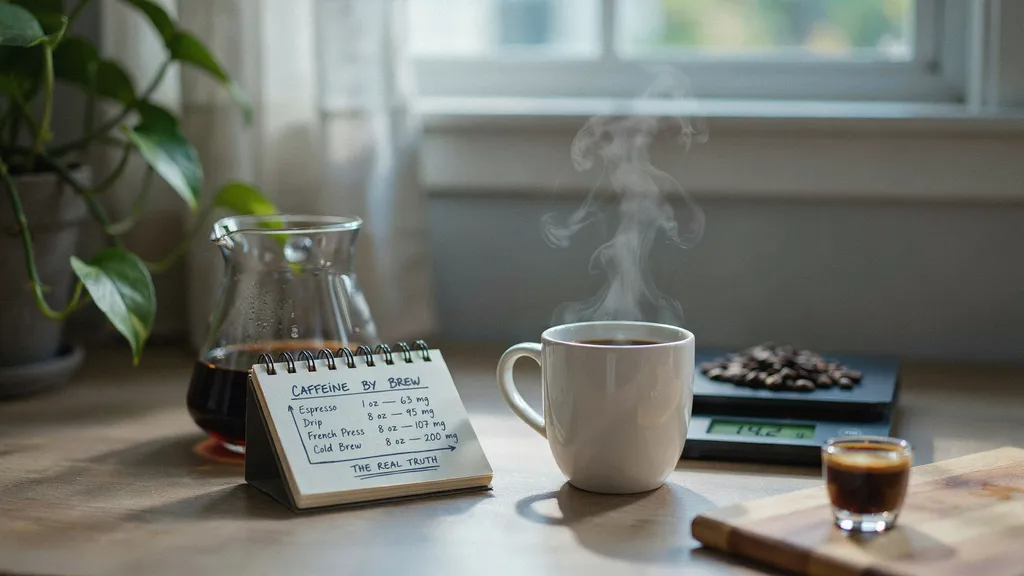
Have you ever stared at your morning mug and wondered what is actually floating around inside that steaming liquid? For many of us, that first sip is the ultimate wake-up call. Whether you grab a quick cup before rushing out the door or sip a rich brew while reading a book in a quiet park, caffeine is our trusty sidekick. But here is the big question that crosses many minds: exactly How Much Caffeine Is in a Cup of Coffee? The truth is, the answer is not as simple as you might think. A tiny espresso shot packs a wildly different punch compared to a massive mug of drip brew. Factors like bean type, roasting time, and how long your coffee grounds touch hot water all change the game. By understanding these little details, you can take control of your daily energy levels and enjoy your favorite drink even more.
What Exactly Is Caffeine and Why Do We Love It?
Caffeine is a natural stimulant that wakes up your central nervous system. When you drink a cup of coffee, the caffeine travels straight to your brain and blocks a sleepy chemical called adenosine. That clever little trick is why you suddenly feel alert, focused, and ready to tackle your busy morning tasks. People have loved this plant-powered boost for centuries, turning coffee breaks into a universal daily ritual. Beyond waking you up, caffeine can give your athletic performance a nice little lift and help you stay sharp during long work projects. However, too much of a good thing can lead to jitters or a racing heart. Knowing how much caffeine is in a cup of coffee helps you find that sweet spot where you feel energized, calm, and completely in control of your day.
How Bean Types Change Your Caffeine Levels
Did you know that not all coffee beans are created equal? The two main types of beans you will find on store shelves are Arabica and Robusta, and they behave very differently in your cup. Arabica beans are famous for their smooth, sweet, and complex flavors, which is why most specialty coffee shops use them exclusively. Robusta beans, on the other hand, have a bolder, more bitter taste and pack nearly double the amount of caffeine. Because Robusta plants face more pests in nature, they produce extra caffeine as a natural defense shield. When roasters blend these beans or sell them pure, the final amount of caffeine in your brew shifts dramatically. If you want a milder morning kick, pure Arabica is your best friend. If you need a serious jolt to wake up, a bit of Robusta in your blend will definitely get the job done.
Light Roast vs. Dark Roast: The Big Caffeine Myth
There is a huge misconception floating around the coffee world that dark roast coffee has way more caffeine because it tastes so bold and intense. Many people assume that the longer beans roast in the machine, the stronger the energy boost they provide. In reality, the exact opposite is often true when you measure by volume or weight. As coffee beans roast longer, they lose a lot of water weight and puff up in size. If you scoop your coffee by the tablespoon, a light roast actually packs slightly more caffeine because the beans are denser and heavier. On the other hand, if you measure your coffee by weight on a kitchen scale, the difference between light and dark roasts is practically tiny. So, next time you choose between a blonde roast and a dark French roast, pick the flavor profile you love most instead of worrying about the caffeine count.
Drip Coffee: The Everyday Classic Brew
Drip coffee maker machines are absolute staples in kitchens and office breakrooms around the world. There is nothing quite like waking up to the rich, comforting aroma of a fresh pot slowly dripping into the glass carafe. But how much caffeine is in a cup of coffee made this traditional way? On average, a standard eight-ounce cup of drip coffee contains about ninety-six milligrams of caffeine. Of course, the exact number depends heavily on how many scoops of grounds you put in the basket and how large your actual mug is. Many modern mugs hold sixteen or twenty ounces, which means you might be drinking double that amount in a single sitting. If you love sipping large mugs of hot coffee all morning long, it is easy to consume more caffeine than you originally planned without even realizing it.
Espresso: Tiny Size, Mighty Power
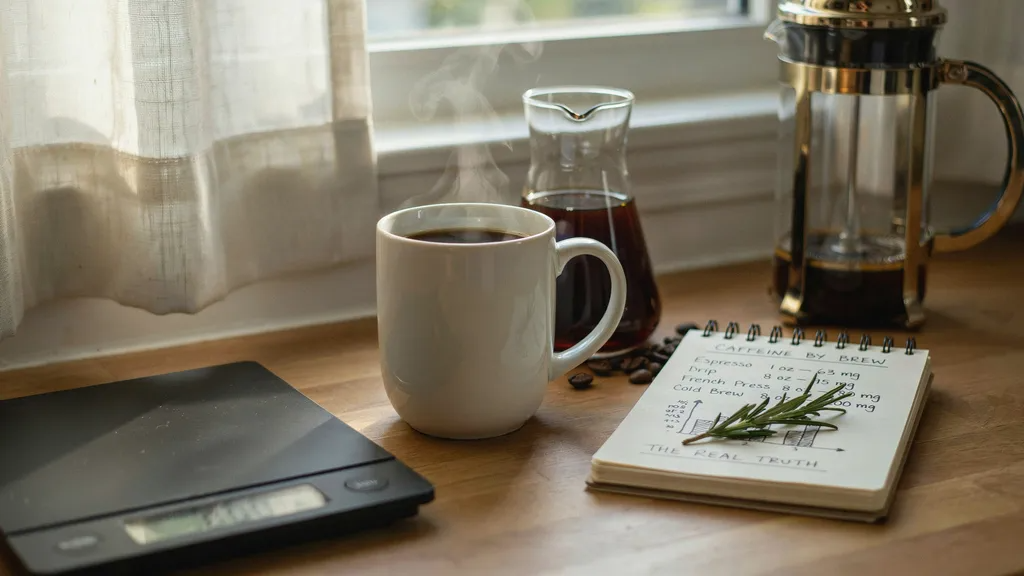
Espresso has a reputation for being the most intense, heart-pounding drink on the coffee shop menu, but the reality might surprise you. A standard espresso shot is only about one single ounce, making it look tiny sitting at the bottom of a heavy ceramic cup. That single shot contains roughly sixty-three milligrams of caffeine, which is less than a full mug of regular drip coffee. However, the secret lies in concentration. Because you drink that tiny shot in just two or three quick sips, you ingest a massive punch of caffeine all at once. That is why a double shot of espresso can make you feel instantly electrified. If you love rich flavors and a fast energy boost, espresso is a fantastic choice, just remember that its power comes from its compact size.
Cold Brew: The Slow-Steeped Sensation
Cold brew coffee has taken over cafes everywhere, and for good reason. Instead of using hot water to quickly extract flavors, cold brew sits peacefully in cold water for twelve to twenty-four hours. This slow, gentle process pulls out rich, smooth flavors with almost none of the natural bitterness or acidity found in hot coffee. Because the grounds steep for so long, cold brew is often much more concentrated than regular drip coffee. An average eight-ounce serving of cold brew can pack anywhere from one hundred to one hundred forty milligrams of caffeine. Many coffee shops serve it over a giant cup of ice, which melts and waters it down a bit, but it still packs a serious punch. If you are sensitive to caffeine, you might want to sip your cold brew slowly or add a splash of milk to tone it down.
Instant Coffee: The Quick and Easy Option
When you are in a rush and need a caffeine fix in thirty seconds flat, instant coffee is a total lifesaver. It is made by brewing real coffee beans and then drying the liquid into soluble granules or powder that dissolve instantly in hot water or milk. Because it is so processed, people often wonder how much caffeine is in a cup of coffee made from a jar. Generally, a standard mug of instant coffee contains between thirty and ninety milligrams of caffeine, usually averaging around sixty milligrams per cup. This means instant coffee actually tends to have slightly less caffeine than fresh drip coffee. It is a wonderful option if you want to manage your daily caffeine intake more carefully while still enjoying a warm, comforting cup with minimal effort and zero cleanup.
Decaf Coffee: Is It Really Caffeine-Free?
Decaf coffee is a popular choice for anyone who loves the warm, cozy taste of a late afternoon brew but wants to avoid tossing and turning all night in bed. But a common myth is that decaf has zero caffeine at all. In truth, the decaffeination process removes about ninety-seven percent of the caffeine, but a tiny bit always remains behind. A typical eight-ounce cup of decaf coffee contains about two to seven milligrams of caffeine. While this is an impressively small amount compared to a regular cup, it is not completely zero. If you are extremely sensitive to caffeine or have medical reasons to avoid it entirely, keep this small amount in mind. For most people, though, decaf is a safe and relaxing way to enjoy a comforting evening mug without ruining a good night’s sleep.
Smart Tips to Manage Your Daily Caffeine Intake
Keeping track of how much caffeine is in a cup of coffee is a great habit for protecting your sleep schedule and keeping your energy levels steady throughout the day. Health experts generally suggest that up to four hundred milligrams of caffeine per day is safe for most healthy adults. That translates to roughly four cups of standard drip coffee or a few specialty espresso drinks. To avoid afternoon crashes, try switching to decaf or herbal tea after lunchtime. Listening to your body is the ultimate key; if you feel jittery, anxious, or have trouble sleeping, it is definitely time to dial back your intake. Enjoying your favorite brew should feel comforting and uplifting, not stressful. By making mindful choices about your daily cups, you can savor every single sip while keeping your mind and body feeling fantastic.
Complete Caffeine Content Breakdown Table
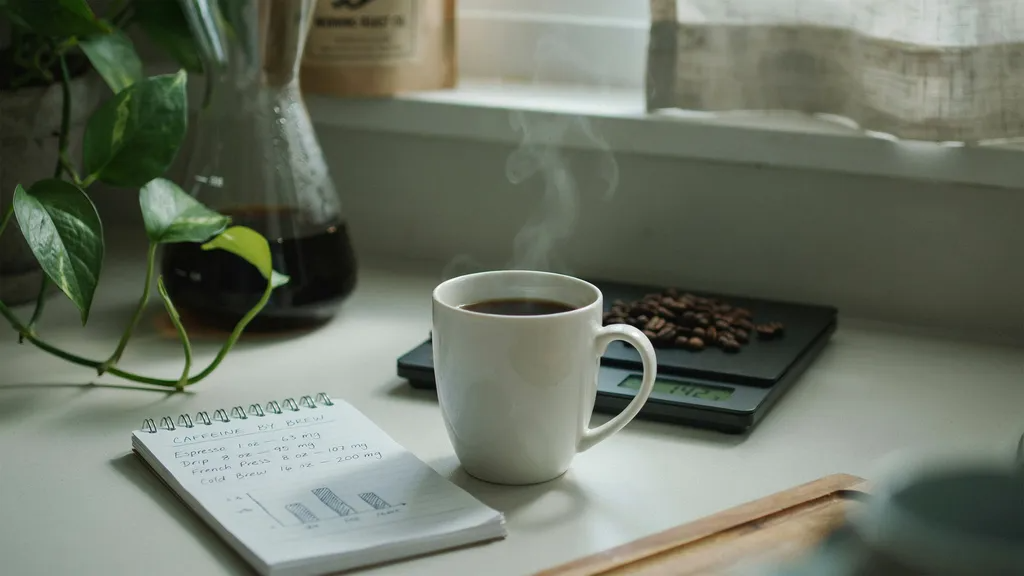
| Coffee Type | Standard Serving Size | Average Caffeine Content |
| Drip Coffee | 8 oz (1 cup) | 96 mg |
| Espresso | 1 oz (1 shot) | 63 mg |
| Cold Brew | 8 oz (1 cup) | 100–140 mg |
| Instant Coffee | 8 oz (1 cup) | 30–90 mg |
| Decaf Coffee | 8 oz (1 cup) | 2–7 mg |
| Latte / Cappuccino | 8 oz (1 cup) | 63–96 mg |
Frequently Asked Questions
How much caffeine is in a standard cup of coffee?
A standard eight-ounce cup of regular drip coffee usually contains about ninety-six milligrams of caffeine. However, larger mugs can easily double that amount.
Does dark roast have more caffeine than light roast?
No, that is a common myth! Light roast beans actually tend to have slightly more caffeine by volume because they are denser and less expanded than dark roast beans.
How much caffeine is in a shot of espresso?
A single one-ounce shot of espresso contains roughly sixty-three milligrams of caffeine. While it is lower than a full mug, it delivers a powerful punch in a very small serving.
Is decaf coffee completely free of caffeine?
Not quite. Decaf coffee removes about ninety-seven percent of the caffeine, leaving a tiny trace amount of roughly two to seven milligrams per cup.
What is the safe daily limit for caffeine?
Health experts suggest that up to four hundred milligrams of caffeine per day is safe for most healthy adults, which equals about four cups of regular coffee.
Why does cold brew have more caffeine?
Cold brew uses a much higher coffee-to-water ratio and steeps for up to twenty-four hours, which extracts a higher concentration of caffeine into the final drink.
Conclusion
At the end of the day, understanding how much caffeine is in a cup of coffee is all about finding what feels best for your body and your lifestyle. Whether you start your morning with a powerful shot of espresso, a slow-steeped cold brew, or a classic pot of drip coffee, knowing your numbers helps you stay energized without the dreaded afternoon crash. Coffee is meant to be a joyful, comforting ritual—whether you are sipping it during a busy workday or relaxing with a good book in a quiet park. By paying attention to your daily intake and listening to how your body responds, you can keep your energy steady, protect your sleep, and savor every single delicious sip. Here is to finding your perfect, balanced cup every single day!