
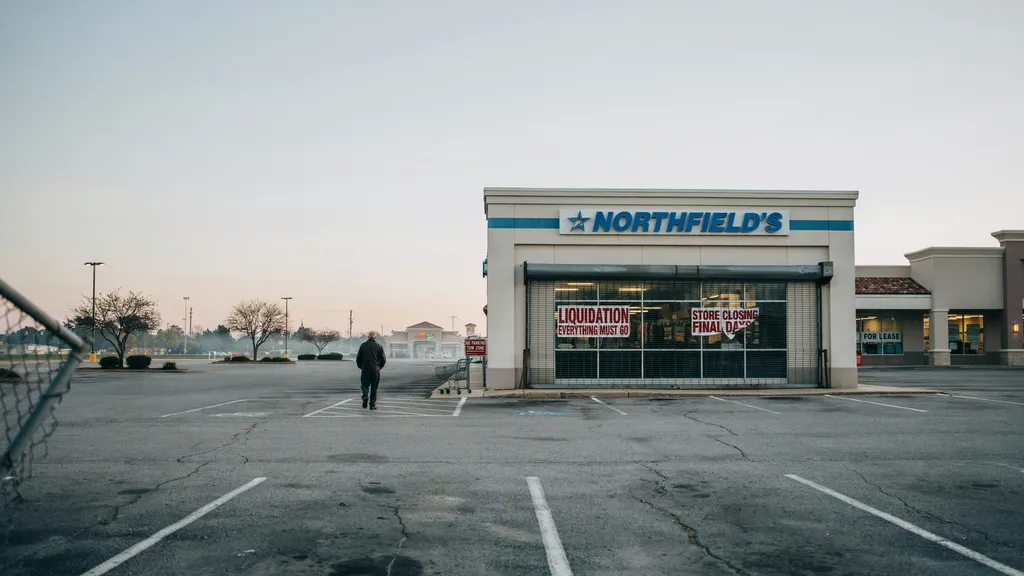
When a big store closes forever, it feels like the end of an era. You might remember going there with your family as a child. Suddenly, the doors are locked, and signs are plastered on the windows. These sudden closures spark deep Retail Chain Liquidation Effects across towns and cities everywhere. People often wonder what happens next when a massive brand goes completely out of business. It is not just about losing a favorite place to shop. It triggers a massive wave of economic changes that touch almost every part of daily life.
The sudden collapse of a major brand changes local neighborhoods very quickly. Strip malls and shopping centers lose their main attraction. When these anchor stores vanish, smaller shops nearby suffer too because fewer people walk past their doors. Understanding the true retail chain liquidation effects helps us see why empty storefronts stay vacant for years. Communities must learn to adapt when giant companies fail. By looking at the big picture, we can prepare for the future of our local shopping districts and support healthier economic growth.
What Does Retail Liquidation Mean?
Store liquidation happens when a company shuts down completely and sells everything it owns. This includes inventory, shelves, and equipment to pay off debts. It is different from a normal seasonal sale. During liquidation, the business is dying, and all assets are cleared out fast. This process brings immediate retail chain liquidation effects to suppliers who are left unpaid. Vendors lose significant money when a large partner collapses. It creates a domino effect of financial stress up and down the supply chain.
The Shockwave on Local Real Estate
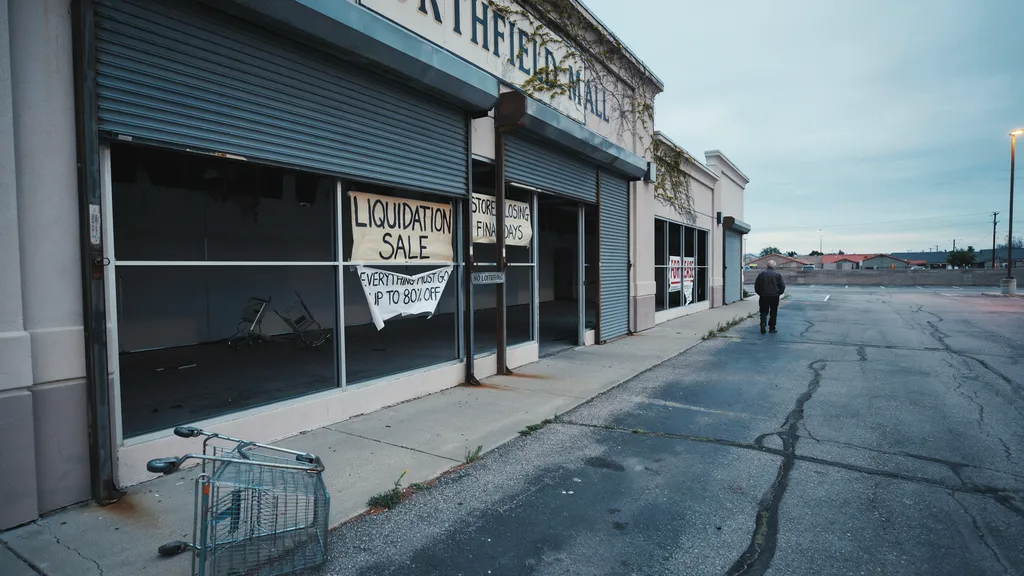
Empty buildings are the most visible sign of a corporate failure. When a giant retailer disappears, shopping malls are left with massive empty spaces. These giant vacant lots lower the property value of the entire area. Landlords struggle to find new tenants for such huge spaces. These specific retail chain liquidation effects turn once-busy commercial hubs into quiet ghost towns. Cities lose property tax revenue when commercial spaces sit empty for a long time. Transforming these dead zones requires creative thinking and new community planning strategies.
Job Losses and Community Impact
Behind every closed storefront are hundreds of workers losing their livelihoods. Employees face sudden unemployment with little time to find new jobs. The local community feels this economic punch very quickly. Families have less disposable income to spend at local diners and grocery stores. These deep retail chain liquidation effects reduce overall spending power in neighborhoods. When workers lose reliable incomes, the local service sector slows down. Neighbors must support each other and look for new job training programs to recover.
How Consumers Change Their Habits
Shoppers are forced to change their daily routines when a familiar store disappears. People must find new places to buy clothes, groceries, or household items. Some customers switch entirely to online shopping platforms. Others drive much farther to reach the next closest physical store location. These changing behaviors represent major retail chain liquidation effects on consumer loyalty. People often feel a sense of frustration and loss when their favorite trusted brands vanish from the map. Convenience becomes harder to find for shoppers living in rural or suburban areas.
The Sudden Rise of Deep Discounts
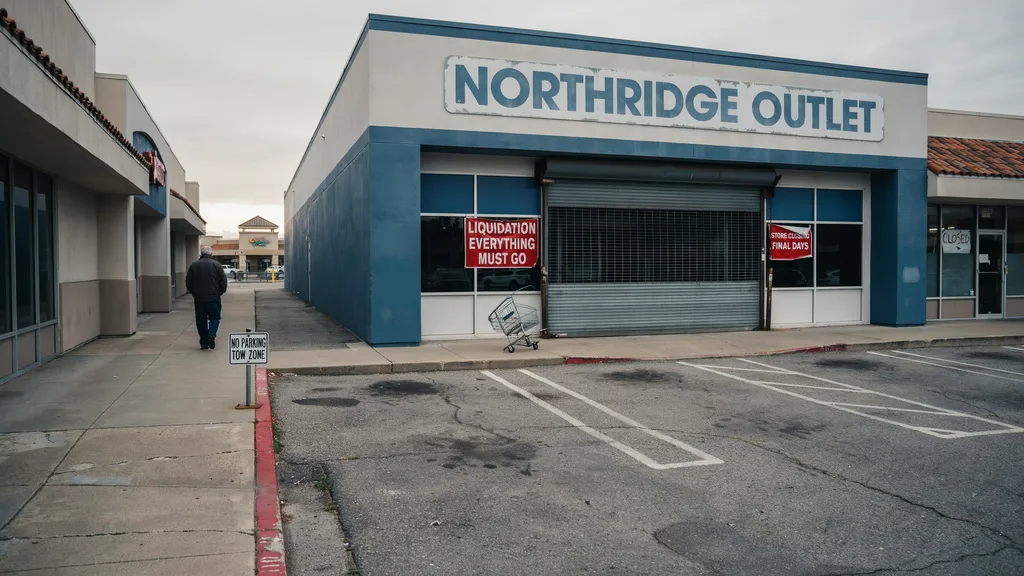
Liquidation sales always feature massive price cuts to clear inventory quickly. Shoppers rush in to grab cheap electronics, clothes, and home goods. While bargain hunters love these final clearance events, they mask a deeper financial crisis. These aggressive retail chain liquidation effects hurt competing local stores nearby. Small independent businesses cannot match those desperate fire-sale prices. This unfair price pressure makes it even harder for nearby mom-and-pop shops to survive the month.
Supplier Strain and Unpaid Bills
Big retailers rely on thousands of smaller factories and product makers. When a giant chain liquidates, it often leaves unpaid bills behind. Suppliers take a massive financial hit because they manufactured goods they will never get paid for. These severe retail chain liquidation effects can push innocent manufacturing companies into bankruptcy too. The supply chain breaks down of trust and financial security. Companies learn to diversify their partnerships so they never depend on just one mega-retailer for survival.
Changing Landscapes in Shopping Malls
Traditional shopping malls depend heavily on large anchor stores to draw crowds. When one anchor store liquidates, foot traffic drops drastically for the entire indoor complex. Other smaller clothing and food stalls inside the mall lose customers too. These ongoing retail chain liquidation effects accelerate the decline of older retail centers. Mall owners are now forced to redesign spaces into entertainment zones, medical clinics, or apartment complexes to survive modern economic shifts.
What Happens to Competitor Stores?
Rival businesses often experience mixed results when a major competitor dies. In the short term, rival stores might capture extra sales from displaced shoppers. However, long-term retail chain liquidation effects can also hurt the overall market confidence. If consumers lose trust in physical retail, they might abandon brick-and-mortar stores altogether. Surviving brands must work extra hard to prove their reliability. They invest heavily in customer service and unique in-store experiences to keep shoppers walking through their doors.
Lessons for Future Business Owners
Every corporate failure teaches valuable lessons about modern business management. Companies must manage their debts carefully and avoid taking on too much financial risk. Listening closely to customer needs prevents brands from becoming obsolete. Studying past retail chain liquidation effects helps new entrepreneurs build stronger, more flexible business models. Modern retailers must combine online convenience with great physical experiences to stay safe in a changing economy.
The Path Forward for Modern Retail
Retail is changing faster than ever before. Brands are learning to use data smartly to predict what customers actually want to buy. Smaller, well-curated store formats are replacing giant, wasteful warehouse spaces. By paying attention to the hard lessons of past store failures, the industry is finding ways to heal. The ultimate goal is creating sustainable businesses that withstand economic shocks and continue serving communities proudly for generations.
Complete Detailing Table
| Aspect of Liquidation | Direct Impact on Business | Effect on Local Economy | Consumer Reaction |
| Inventory Clearance | Rapid cash recovery via deep discounts | Undercuts local independent competitors | Short-term bargain hunting excitement |
| Store Closures | Total loss of physical retail footprint | Property value drop and vacant spaces | Frustration and shift to online options |
| Vendor Relations | Unpaid invoices and broken contracts | Financial distress spreads to suppliers | Loss of trust in market stability |
| Employee Layoffs | Complete workforce termination | Reduced household spending power | Need for quick job retraining programs |
Frequently Asked Questions
What causes a retail chain to go into liquidation?
Retailers usually liquidate due to heavy debt, poor management, rising online shopping competition, and failing to meet consumer demands.
How do liquidation sales affect local small businesses?
Liquidation sales create intense price pressure. Local small shops struggle to compete with desperate, rock-bottom clearance prices.
Faculty of Business and Economics
Are shopping malls dying because of retail liquidations?
Many traditional malls suffer heavily when anchor stores close because overall foot traffic decreases across the entire property.
What happens to gift cards when a store liquidates?
Gift cards usually become worthless or subject to strict, short expiration deadlines once liquidation proceedings officially begin in court.
Do suppliers get paid when a retail chain liquidates?
Suppliers are often left as unsecured creditors, meaning they receive only a fraction of what they are owed—or nothing at all.
How can communities reuse abandoned retail spaces?
Cities often transform empty big-box stores into community colleges, indoor sports complexes, medical centers, or mixed-use housing developments.
Conclusion
The closure of big stores leaves a lasting mark on our neighborhoods, proving that retail chain liquidation effects reach far beyond corporate boardrooms. When familiar brands disappear, local economies must adapt to empty spaces, lost jobs, and shifting consumer habits. However, these challenges also open the door to fresh opportunities. Communities can reinvent abandoned commercial zones into vibrant housing, healthcare hubs, or exciting entertainment spaces. By supporting local independent businesses and learning from past corporate mistakes, we can build stronger, more resilient local economies. What creative ideas do you have for transforming empty retail spaces in your hometown? Share your thoughts below and join the conversation!