
Have you ever tapped your foot to a catchy song on the radio? Or maybe you have marched along to the steady beat of a drum? That steady, repeating pulse you feel is one of the most important parts of music. It is called the Tempo. In simple terms, it is the speed of music. Just like a runner can sprint or jog, a song can race fast or stroll along slowly.
Understanding this musical speed helps us connect with songs on a deeper level. It tells us how the music should feel before a single word is sung. Over the years, I have taught many young musicians how to feel this pulse. Once you learn to listen for it, hearing your favorite songs becomes a whole new adventure. Let us dive in and explore how musical speed works, why it matters, and how musicians keep track of it all.
What Exactly is Musical Speed?
At its core, tempo simply means how fast or slow a piece of music goes. The word itself comes from an old Italian word that means “time.” When a songwriter creates a tune, they decide how much time should pass between each beat. If the beats are very close together, the music feels fast and exciting. If the beats are far apart, the music feels slow and relaxed.
Think of it like walking. When you are in a rush to get to the playground, you walk very fast. When you are taking a stroll through the park with your family, you take slow, easy steps. Songs do the exact same thing. The speed sets the mood for the entire piece. Without it, notes would just float around with no clear direction or excitement.
The Heartbeat of a Song: The Beat
To truly understand tempo, we need to look at the basic beat. You can think of the beat as the steady heartbeat of a song. It is the steady “thump, thump, thump” that you naturally want to clap along with. When musicians talk about speed, they are really talking about how fast or slow these thumps happen.
Imagine a clock ticking on the wall. Tick, tock, tick, tock. That tick is a steady beat. Now imagine the clock ticking twice as fast. That changes the tempo completely! Every song has a core pulse running underneath the melody and the lyrics. Finding this pulse is the secret to dancing, playing an instrument, or just enjoying the tune. The next time you listen to a tune, try closing your eyes and finding that steady heartbeat.
Measuring the Speed: Beats Per Minute
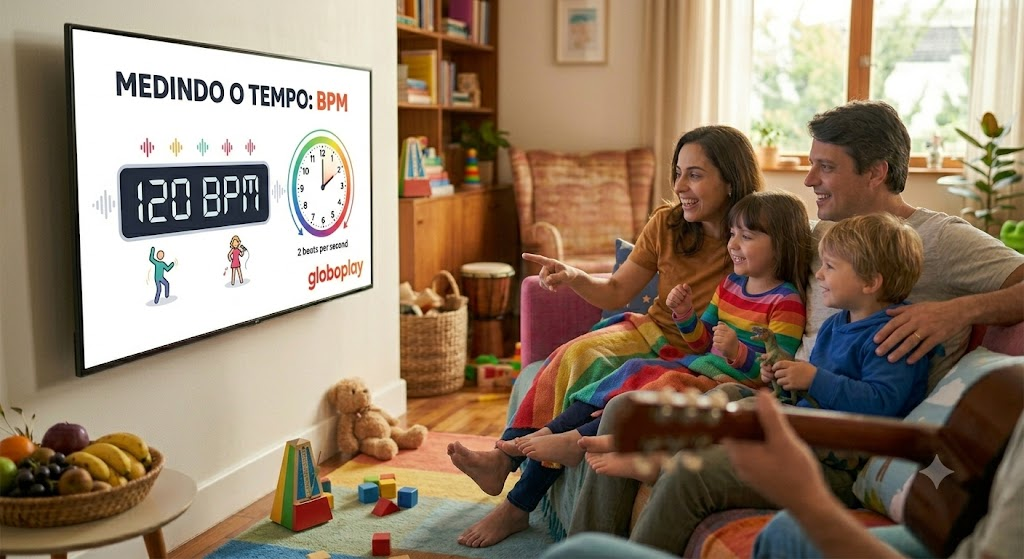
Musicians need a reliable way to write down exactly how fast a song should go. They use a special measurement called BPM, which stands for beats per minute. This tells everyone playing the song exactly how many beats happen in sixty seconds. It takes away all the guesswork!
For example, a tempo of 60 BPM means there is exactly one beat every second, just like a standard clock. If a song has 120 BPM, the music moves twice as fast, with two beats every second. Pop songs on the radio often use a fast speed to make you want to dance. Lullabies use a much lower number to help you sleep. This simple number system keeps musicians all over the world playing at the exact right pace.
The Handy Tool: The Metronome
How do musicians practice keeping a steady tempo without speeding up or slowing down by accident? They use a fantastic tool called a metronome. A metronome is a device that makes a steady clicking sound at a specific BPM speed. You set the number, turn it on, and play your instrument along with the clicks.
When I first learned to play the piano, my teacher made me practice with a metronome every single day. I found it quite tricky at first! Sometimes my fingers wanted to rush ahead when the music got exciting. The metronome taught me patience and control. It acts as an unblinking guide that ensures your rhythm stays perfectly even from start to finish. You can even find free metronome apps on phones and tablets today.
Italian Speed Words
Long before modern clocks and digital tools were invented, musicians used Italian words to describe the speed of music. These traditional terms are still used on sheet music today. They give performers a feeling for how the music should go rather than just a cold, mathematical number.
For instance, Adagio means slow and graceful, like a sleepy turtle taking a walk. Moderato means a medium, walking pace. Allegro means fast, quick, and bright, like a puppy running around the yard. Seeing these beautiful musical terms at the top of a page of notes helps a player know what emotion to bring to the performance. It turns simple notes into a living story.
Slow Speeds: Taking a Gentle Stroll
Let us explore the slow end of the tempo scale. Slow speeds are often used to create feelings of sadness, peace, or deep thought. When a song moves slowly, you have time to soak in every single note and chord.
A great example of a slow musical speed is a quiet lullaby your parents might sing to you when you are very young. These tunes usually sit around 60 to 70 BPM. Another example is a sad song in a movie that plays when a character is feeling lonely. The music stretches out time, allowing you to feel exactly what the character is feeling. Slow beats give the instruments room to breathe and sing out fully.
Medium Speeds: A Normal Walking Pace
Medium speeds make up a huge amount of the music we hear every day. This tempo feels very natural to us because it matches the speed at which humans walk around. It is comfortable, familiar, and easy to move to without getting tired out.
Think of your favorite upbeat nursery rhyme or a standard rock song. These usually fall right in the middle, around 90 to 115 BPM. A medium tempo is incredibly versatile. It can feel happy, thoughtful, or slightly groovy. Because it is so comfortable, artists often use this speed when they want you to sing along easily without tripping over the words.
Fast Speeds: Running and Dancing
Now let us speed things up! Fast tempo is all about energy, excitement, and movement. When the music gets fast, your pulse races, and you instantly feel like jumping up and down or dancing around the room.
Think about energetic dance music, fast cartoon theme songs, or upbeat pop tracks. These often zoom along at 120 BPM or much faster. A rapid tempo makes the notes fly by in a fun blur. It takes a lot of skill and practice for musicians to play fast notes cleanly without making mistakes. Fast music is the life of the party and always brings a huge burst of joy.
Speed Changes in a Single Song
Here is a fun secret about music: a song does not have to keep the exact same tempo from start to finish! Some songs start off slow and dreamy, and then speed up as they get to the exciting parts. This change is a powerful tool for storytellers.
Imagine a train starting at the station. It chugs along very slowly at first (slow tempo). Then, as the engine gets going, the wheels turn faster and faster until it is zooming down the tracks at top speed. Composers do this on purpose to build excitement. When the music speeds up, your heart beats faster, keeping you hooked on the journey.
How Speed Changes Mood
The exact same melody can feel completely different just by changing the tempo. This is one of the coolest things to test out if you play an instrument. You can take a happy little tune and slow it right down. Suddenly, it sounds like a mysterious mystery movie or a sad tale.
Conversely, take a serious, slow piece of music and speed it up. It will suddenly sound silly, bouncy, and fun! The relationship between the notes and the speed of music creates the magic we hear. It proves that speed is not just a technical detail; it is the emotional paint brush an artist uses to color their work.
Frequently Asked Questions
What is the difference between tempo and rhythm?
Tempo is the overall speed of the music, such as fast or slow. Rhythm is the pattern of different long and short sounds and silences that happen over that steady speed.
How do I know the BPM of a song?
You can use a tap tempo app or website. You simply tap your finger or spacebar along with the beat of the song, and the tool will calculate the BPM number for you.
Can a song change its speed midway through?
Yes! Many songs speed up or slow down to create drama and excitement. A gradual speed increase is called an accelerando, while a gradual slow down is called a ritardando.
Why do musicians use Italian words for musical speed?
Historically, Italy was the center of music publishing during the Renaissance and Baroque periods. Early composers wrote their directions in Italian so musicians across Europe could all read and understand them.
What is a good speed for a beginner to practice?
A medium speed around 80 to 90 BPM is usually perfect for beginners. It is slow enough to let you think about your fingers, but fast enough to keep the music moving.
Does the speed of a song affect how it makes us feel?
Absolutely. Fast speeds make us feel excited, energetic, and happy. Slow speeds help us feel calm, relaxed, thoughtful, or sometimes sad.
Conclusion
The tempo truly is the invisible engine driving every song we love. It guides our emotions, gets our feet tapping, and helps musicians play together in perfect harmony. Whether it is a slow, comforting lullaby or a blazing-fast dance track, the speed sets the stage for the entire musical experience.
Now that you know how to spot the heartbeat of a song, why not test your skills? Pick a favorite tune today, tap along with the pulse, and try to guess its speed. Better yet, grab a spoon and drum along. Keep exploring new sounds, and keep listening closely to the wonderful world of music!