As companies experience rapid growth, the complexity of their operations often increases, bringing new challenges and potential hazards. Safety risks that once seemed manageable can quickly escalate, threatening not only employee well-being but also business continuity and reputation. Proactively identifying and addressing these risks is essential for maintaining a safe workplace and ensuring sustainable growth. By reviewing safety protocols, compliance measures, and organizational culture, growing companies can prevent minor issues from developing into significant operational problems. This approach not only protects employees but also supports long-term business objectives and regulatory compliance.
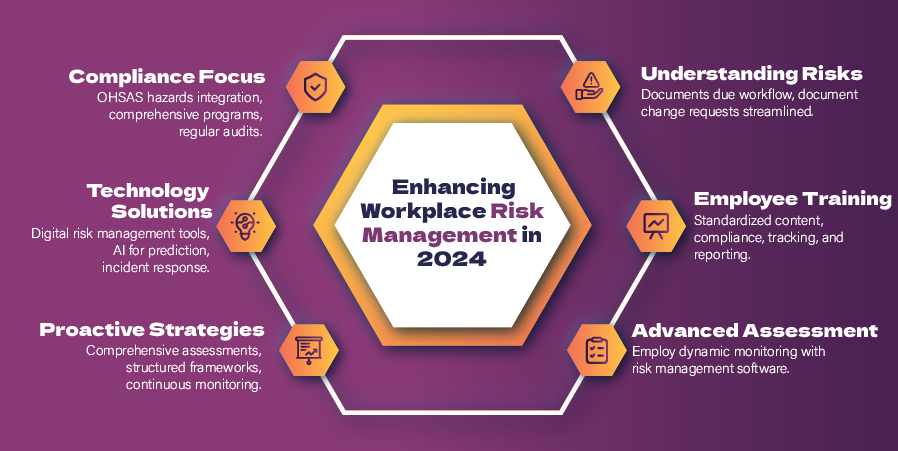
Key areas to assess for safety risk management
Understanding the Impact of Growth on Safety
When a company expands, whether through increased workforce, new facilities, or additional product lines, the risk landscape changes dramatically. Processes that worked for a smaller team may no longer be sufficient, and new hazards can emerge as operations scale. For example, a manufacturing company adding a second shift may face fatigue-related incidents, while a tech firm opening a new office must consider local safety regulations and emergency procedures. Growth often brings a sense of urgency, which can lead to shortcuts or overlooked safety measures. It is crucial for leadership to recognize that what kept employees safe in the past may not be enough for the future. Regularly reviewing and updating safety protocols ensures that the organization adapts to its evolving risk profile, rather than reacting to incidents after they occur.
The Role of Safety Culture in Growing Organizations
A strong safety culture is the foundation of any effective risk management strategy, especially for companies in transition. As new employees join and teams expand, maintaining consistent safety values becomes more challenging. Leadership must actively promote safety as a core value, integrating it into onboarding, training, and daily operations. Communication is key; employees should feel empowered to report hazards and suggest improvements without fear of reprisal. This open dialogue helps identify risks early and fosters a sense of shared responsibility. Companies that prioritize safety culture are better equipped to handle the complexities of growth, as employees at all levels understand their role in maintaining a safe environment. Engaging with EHS Consulting Services can provide valuable insights and support in building and sustaining this culture, ensuring that safety remains a priority as the organization evolves.
Compliance and Regulatory Considerations
As organizations grow, they often enter new markets or jurisdictions, each with its own set of safety regulations and compliance requirements. Failing to keep up with these changes can result in costly fines, legal challenges, and reputational damage. It is essential for companies to conduct regular audits of their compliance status, ensuring that all policies and procedures align with current laws and industry standards. This includes everything from workplace safety training to proper documentation and reporting of incidents. Growth may also necessitate new permits or certifications, which require careful management and timely renewal. By staying ahead of regulatory changes and maintaining a proactive approach to compliance, companies can avoid disruptions and demonstrate their commitment to safety to employees, customers, and regulators alike.
The Importance of Incident Reporting and Analysis
Incident reporting is a critical component of any safety management system, providing valuable data that can be used to identify trends and prevent future incidents. As companies grow, the volume and variety of incidents may increase, making it even more important to have robust reporting mechanisms in place. Employees should be encouraged to report all incidents, near misses, and unsafe conditions, regardless of severity. This information should be systematically analyzed to uncover root causes and implement corrective actions. Effective incident analysis not only addresses immediate issues but also helps organizations identify systemic weaknesses in their safety programs. By learning from past incidents, companies can continuously improve their safety performance and reduce the likelihood of operational disruptions.
Training and Development for a Safer Workplace
Training is an ongoing necessity for any organization, but it becomes even more critical during periods of growth. New employees must be brought up to speed on safety protocols, while existing staff may require refresher courses or training on new equipment and procedures. Comprehensive training programs should cover both general safety principles and job-specific hazards, ensuring that everyone understands their responsibilities. In addition to formal training sessions, companies should promote a culture of continuous learning, where employees are encouraged to seek out information and ask questions. Investing in training not only reduces the risk of accidents but also boosts employee morale and retention, as workers feel valued and protected.
Technology’s Role in Modern Safety Management
Advancements in technology have transformed the way companies manage safety risks. Digital tools can streamline incident reporting, automate compliance tracking, and provide real-time data on workplace conditions. For growing companies, adopting these technologies can help bridge the gap between increased complexity and effective risk management. For example, wearable devices can monitor employee exposure to hazardous conditions, while software platforms can centralize safety documentation and training records. Technology also enables better communication and collaboration across teams, ensuring that safety information is accessible and actionable. By leveraging modern tools, organizations can enhance their ability to identify, assess, and mitigate risks as they scale.
Leadership Commitment to Safety
Leadership plays a pivotal role in shaping an organization’s approach to safety. When executives and managers demonstrate a genuine commitment to safety, it sets the tone for the entire company. This commitment should be visible in both words and actions, from allocating resources for safety initiatives to participating in safety meetings and training sessions. Leaders must also hold themselves and others accountable for upholding safety standards, reinforcing the message that safety is non-negotiable. By modeling the desired behaviors and prioritizing safety in decision-making, leadership can inspire employees to do the same, creating a culture where safety is integrated into every aspect of operations.
Proactive Risk Assessment: A Short Overview
Proactive risk assessment involves regularly evaluating workplace conditions, processes, and behaviors to identify potential hazards before they result in incidents. This approach allows companies to implement controls and corrective actions early, minimizing the likelihood of operational disruptions. By making risk assessment a routine part of business operations, organizations can stay ahead of emerging threats and maintain a safer work environment as they grow.
Conclusion
For growing companies, the transition from a small operation to a larger, more complex organization brings both opportunities and challenges. Safety risks that once seemed minor can quickly become significant operational problems if not addressed proactively. By focusing on safety culture, compliance, incident reporting, training, technology, and leadership commitment, organizations can create a resilient safety management system that evolves with their growth. Regular reviews and updates to safety protocols ensure that new risks are identified and mitigated before they impact operations. Ultimately, prioritizing safety not only protects employees but also supports long-term business success, regulatory compliance, and a positive reputation in the marketplace.